Water Stains on Your Ceiling? Here's What's Happening in Your Roof Right Now
Ceiling water stains are often the first visible sign of a struggling roof. Ignoring them leads to bigger, more expensive problems.
This guide explains common causes of ceiling stains, their connection to roof leaks, and what your roof’s symptoms mean. You'll also learn how professional inspections find hidden leaks, basic roof repair options, and how North Georgia storm damage increases leak risk.
TL;DR — Water Stains on Your Ceiling? Here's What's Happening in Your Roof Right Now
- Ceiling stains usually mean an active roof leak—act before damage spreads
- Water can travel before it shows; stains often follow failed shingles or flashing
- Look for brown spots, peeling paint, or sagging drywall as early warning signs
- Pro inspections use thermal imaging, moisture meters, and local expertise to find leaks
- Choose sealant, shingle, or flashing repairs; replace old roofs when damage is widespread
What Causes Water Stains on Ceilings and How They Connect to Roof Leaks
Ceiling stains primarily result from roof leaks. Water travels through attic spaces, insulation, and framing before appearing on your ceiling. Understanding how leaks form and move helps explain stain location and emphasizes prompt action.
How Roof Leaks Turn into Ceiling Water Damage
When roofing materials fail, water penetrates the deck, traveling along rafters or insulation. This moisture soaks drywall and paint, leaving visible stains.
Trapped moisture can damage insulation and drywall, promote mold, and weaken structural elements if not repaired.
Common Signs of Roof Damage That Produce Ceiling Stains
Watch for these early warning signs to act before damage worsens:
- Discolored or dark spots: Brown or yellow patches on ceilings indicate water presence.
- Peeling paint or bubbling wallpaper: Moisture behind the finish causes surface failure.
- Sagging or soft spots: A drooping ceiling or soft drywall signals significant water saturation and potential structural concern.
Regular interior and exterior checks catch issues sooner, reducing repair costs.
How Roof Inspection Services Uncover Hidden Leaks Behind Ceiling Stains
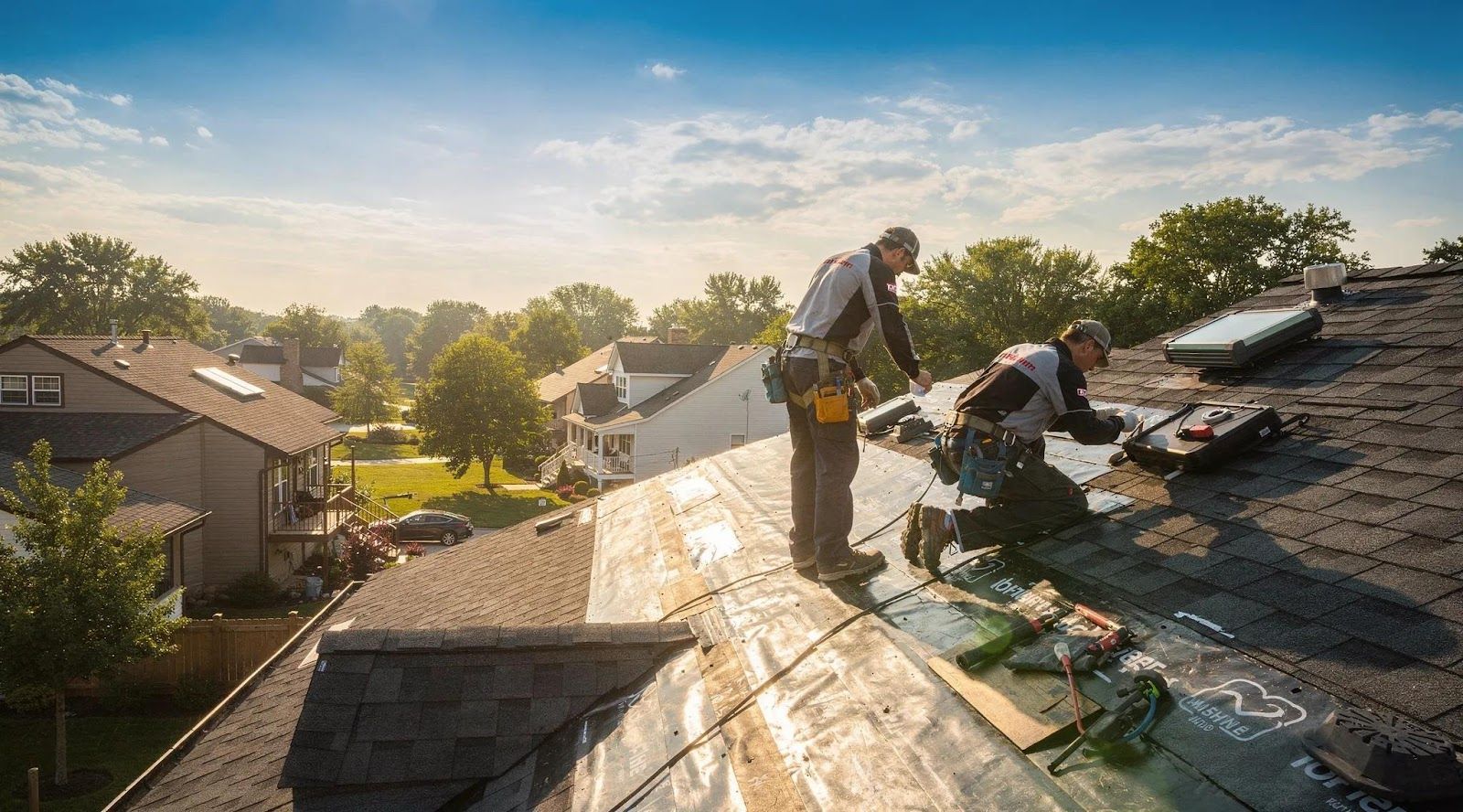
Professional roof inspections go beyond ground-level views. Inspectors use specialized tools and techniques to trace moisture to its source, ensuring repairs address the root problem, not just the symptom.
Common Tools and Techniques for Leak Detection
Crews use a combination of methods to find leaks:
- Infrared/thermal imaging: Reveals temperature differences indicating trapped moisture.
- Visual inspection: A trained eye checks shingles, flashing, vents, and roof penetrations for damage.
- Moisture meters: Measure moisture levels in decking and interior materials to pinpoint affected areas.
These tools provide a clear picture of the roof’s condition, guiding targeted repairs. Unmanned Aerial Systems (UAS), or drones, also assist inspectors in tricky areas, documenting damage safely.
Why Local Expertise Matters in Sugar Hill, Georgia
Local roofers understand the roofing materials, building practices, and weather patterns common to roof repair in Sugar Hill and North Georgia.
This regional experience helps them quickly spot problem areas and recommend repairs that meet local code and climate demands, ensuring longer-lasting results.
How To Fix Roof Leaks: A Practical Repair Overview
Roof leak repair begins with careful inspection and diagnosis, followed by the appropriate method. Correct steps prevent recurring leaks and protect your home's interior.
Understanding common
roof repair options and preventive measures helps homeowners decide when to patch, replace components, or call a professional.
Typical Roof Leak Repair Options
Common repair solutions include:
- Sealants: Good for small, localized leaks as a short- to medium-term fix.
- Shingle replacement: Replacing damaged or missing shingles stops water entry at vulnerable spots.
- Flashing repair or replacement: Proper flashing around chimneys, vents, and valleys is critical for waterproofing.
Each option has pros and cons based on damage extent, roof age, and material. A professional evaluation helps choose the right approach for effective roof repair.
When Roof Replacement Is the Better Choice
Replacement is sometimes the most cost-effective long-term solution. Consider it when:
- Damage is widespread: Large deterioration or multiple failed components suggest replacement.
- The roof is old: Older roofs near their expected life end may not respond well to repeated repairs.
- Repair costs approach replacement costs: Frequent or expensive repairs make a new roof a smarter investment.
Consult a trusted roofer to weigh short-term repairs against a full replacement.
Storm Damage, Roof Leaks, and Ceiling Stains in North Georgia
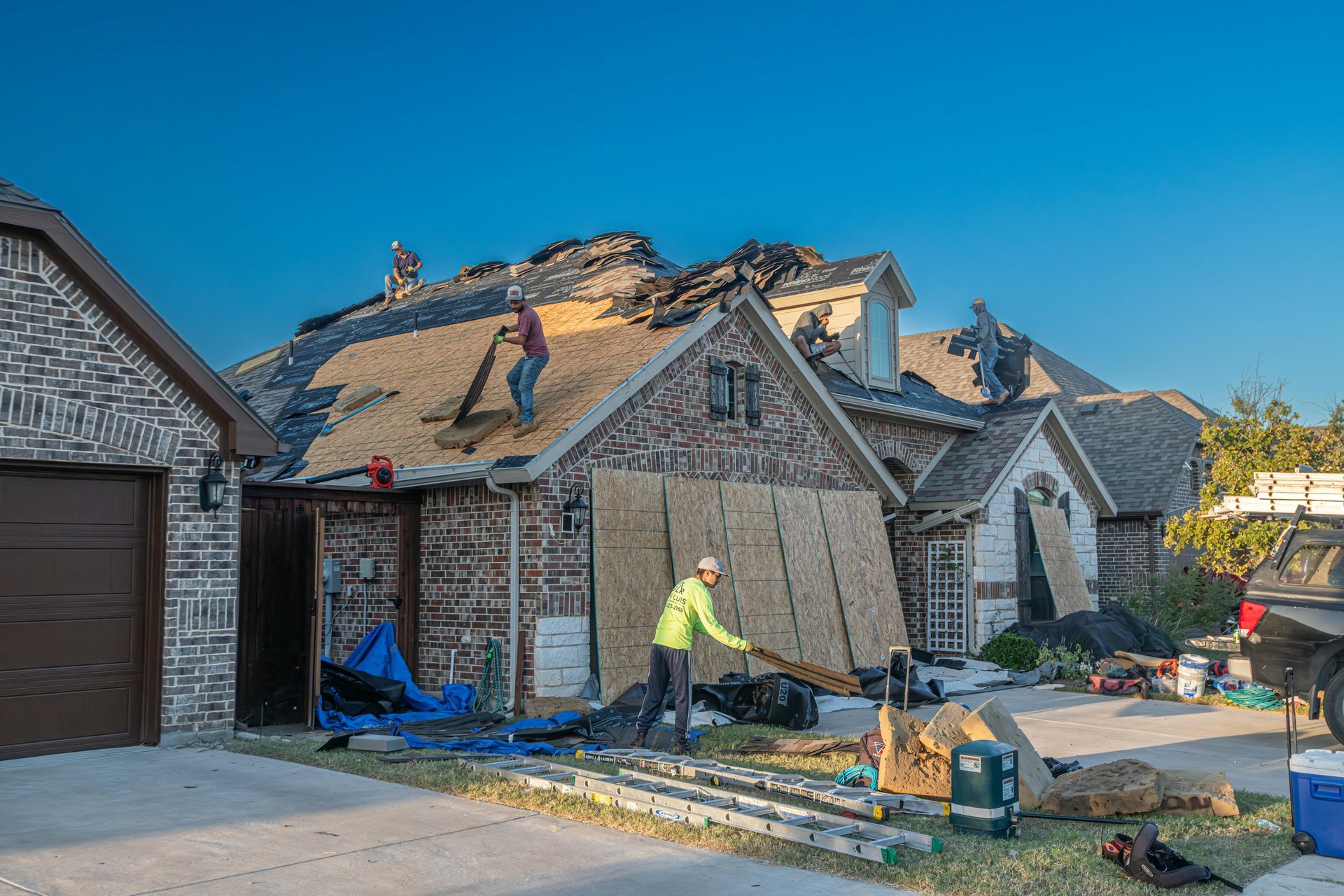
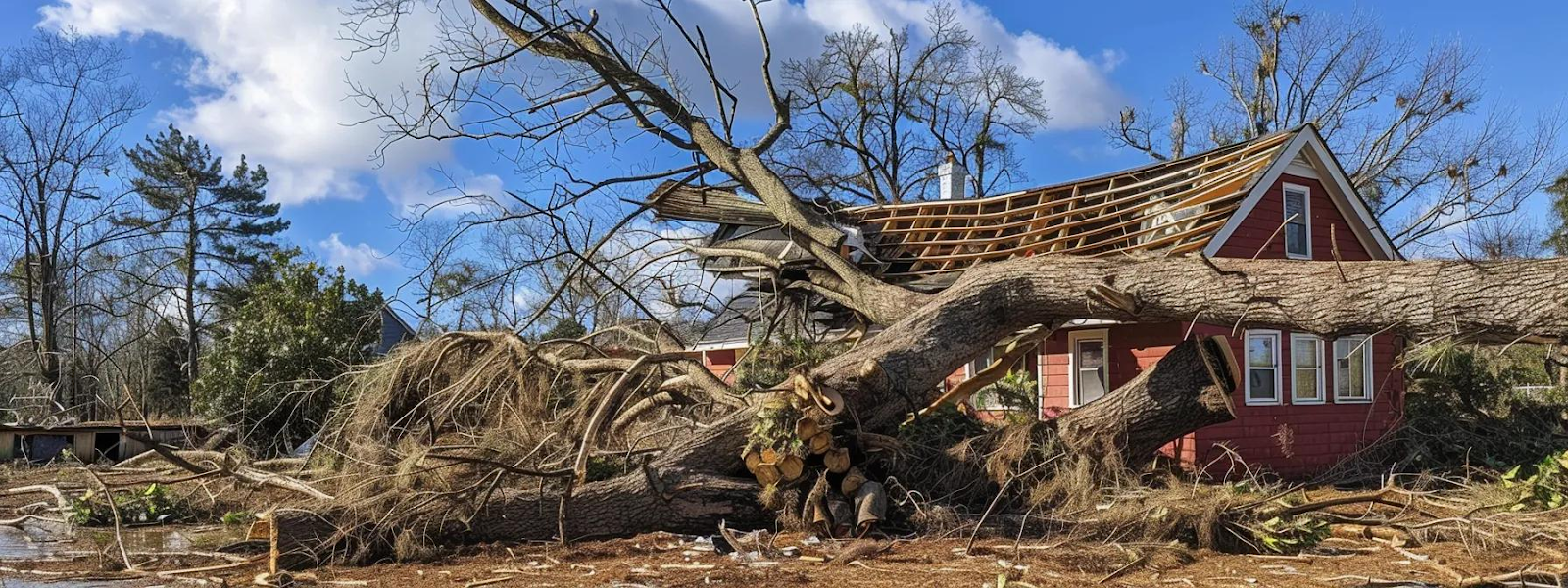
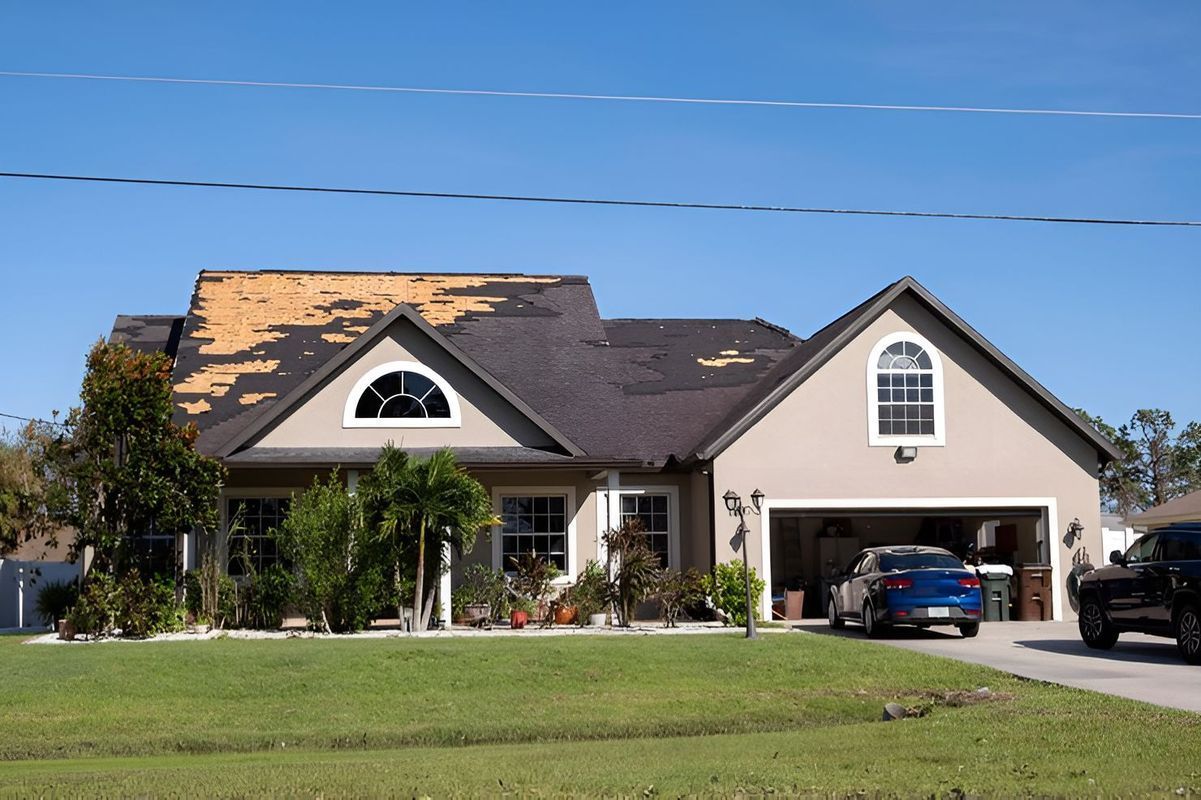
Storms can damage shingles, flashing, and gutters; even minor damage can lead to leaks during heavy rain. Learning to identify storm damage is crucial.
In North Georgia, strong storms and wind-driven rain increase the risk of roof failures that later appear as ceiling stains.
Storm Damage Restoration Services in Sugar Hill
For comprehensive Sugar Hill roof repair after a storm, local restoration services typically include:
- Detailed roof inspections: Assess storm damage and document needed repairs.
- Repairs and replacements: Addressing the storm’s impact, from shingle replacement to flashing fixes.
- Water damage mitigation: Interior drying and restoration to limit mold and structural harm.
Quick action post-storm reduces interior damage and insurance complications.
How Homeowners Can Reduce Post-Storm Leak Risk
Take these practical steps after a storm:
- Schedule an inspection: A prompt professional check finds storm damage before it becomes a leak.
- Maintain gutters and drainage: Clear debris to ensure water flows away from the roof and foundation.
- Have an emergency plan: Keep contacts for local roofing pros and document storm damage for insurance.
These measures protect your roof and reduce future leak chances.
| Service | Description | Cost |
|---|---|---|
| Roof Inspection | Comprehensive assessment of roof condition | $150 - $300 |
| Shingle Replacement | Replacement of damaged or missing shingles | $350 - $500 per square |
| Flashing Repair | Repair of flashing around vents and chimneys | $200 - $400 |
The table above provides typical services and estimated costs. Exact prices depend on roof size, materials, and damage extent.
In short, ceiling stains usually indicate roof issues needing attention. Learn the signs, get a professional inspection when unsure, and choose repairs that permanently stop the leak. Proactivity saves money and protects your home.
Conclusion
Water stains on ceilings are a warning. Don't ignore them. Recognize the signs, call for a professional inspection, and act promptly to repair leaks or replace aging roofing.
Regular maintenance, timely repairs, and local expertise keep your home dry and protect your investment. Contact our team to schedule an inspection or discuss repair and restoration options tailored to North Georgia homes.