Essential Guide: What to Do After Storm Damage to Your Roof
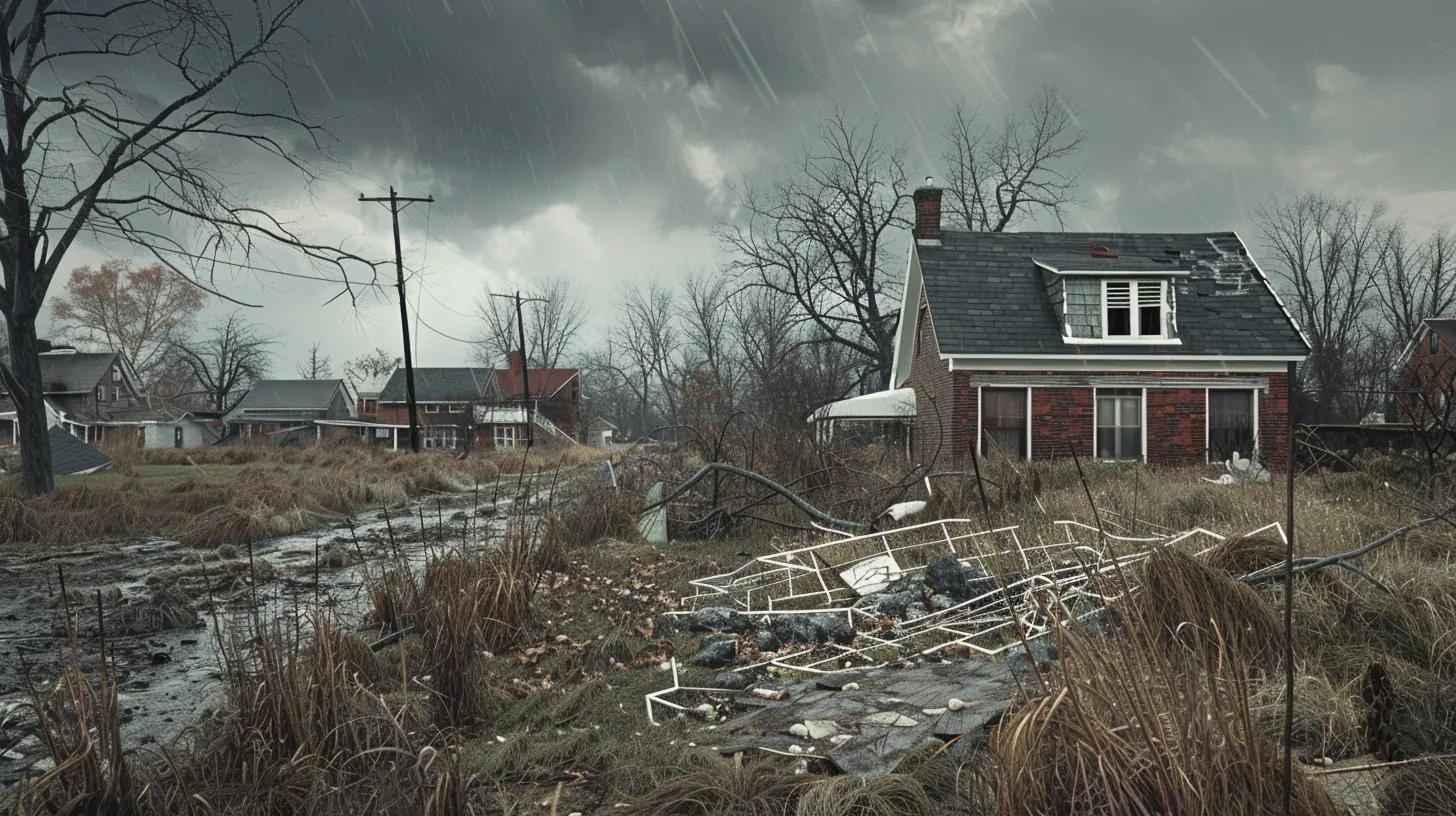
Storm damage to your roof is stressful, but acting quickly makes a real difference.
This guide covers immediate steps to ensure safety, limit water damage, and prepare for repairs. We'll discuss damage identification, insurance documentation, temporary fixes, and when to call professionals like Umbrella Roofing for expert roof repair.
TL;DR — Essential Guide: What to Do After Storm Damage to Your Roof
- Put safety first—avoid hazards and keep clear of downed power lines
- Don’t climb a storm-damaged roof; hidden weak spots can collapse
- Inspect from the ground and document damage with clear, timestamped photos
- Use emergency tarping and clear debris to limit leaks and pooling
- Schedule a licensed inspection; Umbrella Roofing offers 24/7 North Georgia help
How Do I Ensure Safety Immediately After Storm Damage?
Prioritize safety. Scan your property for obvious dangers, avoiding risk to yourself or others. For comprehensive guidance, consult Ready.gov's After the Storm Safety Tips.
A careful, calm assessment helps you decide the right next steps and prevents unnecessary injuries.
What Hazards Should I Look for Before Inspecting My Roof?
Before anyone approaches the house, note these common hazards:
- Downed power lines — treat them as live and dangerous; stay well clear and call the utility company.
- Unstable trees or structures — leaning trees, cracked chimneys, or damaged porches can shift unexpectedly.
- Ground debris — broken glass, nails, and sharp branches can cause injury if stepped on.
Why Should I Avoid Climbing on a Storm-Damaged Roof?
Storm-damaged roofs can hide weak spots. Walking on broken or soaked areas risks injury and can worsen damage.
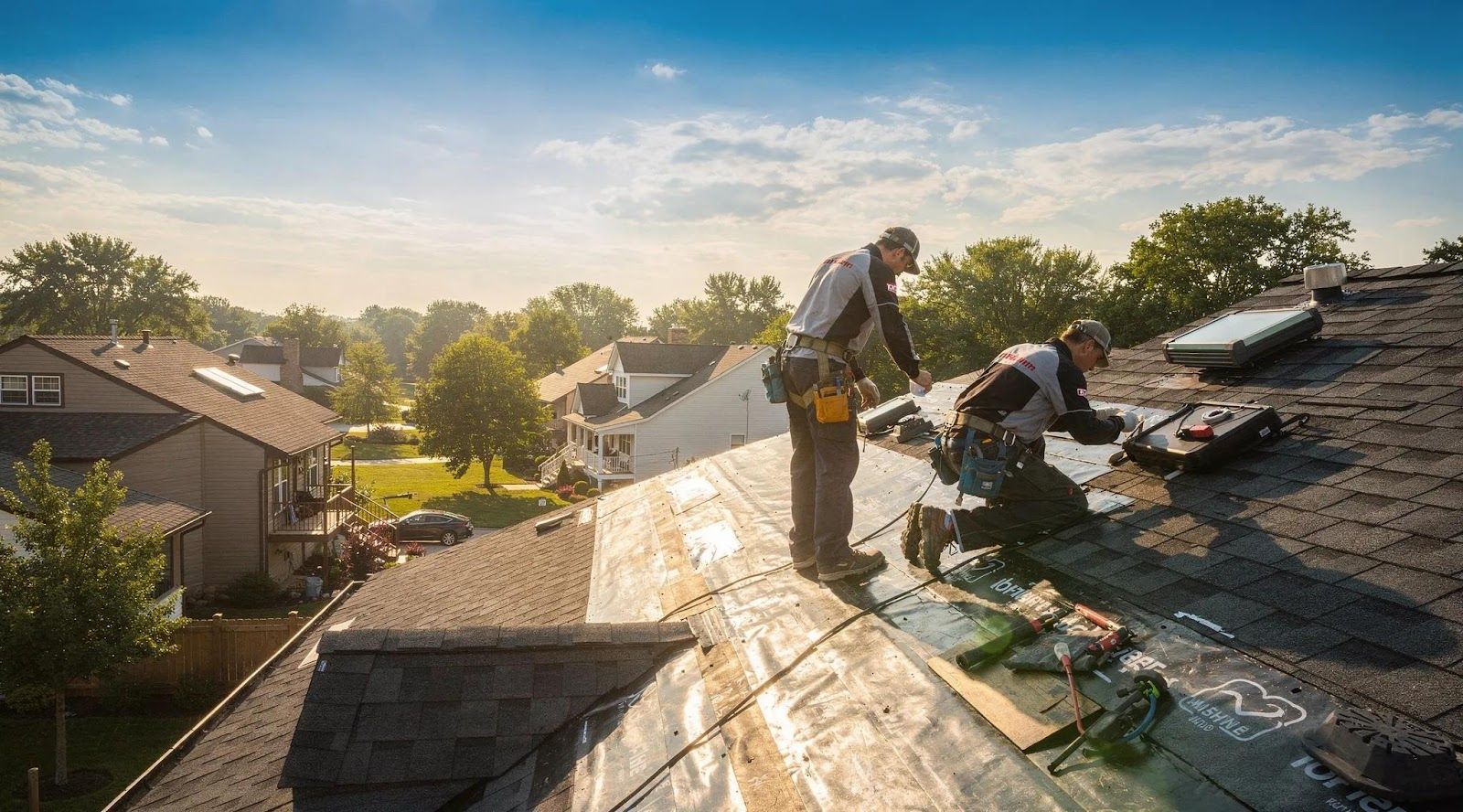
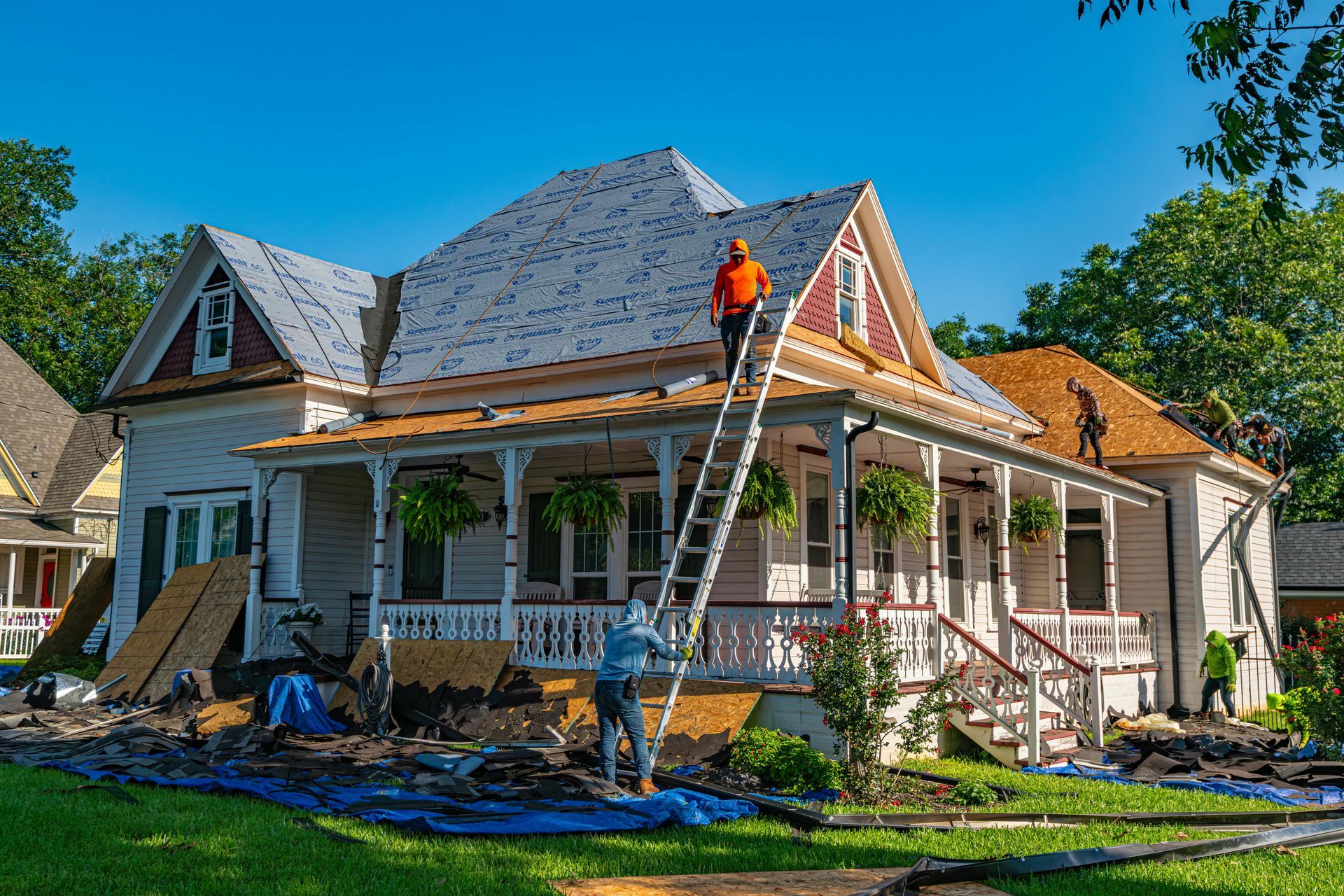
Trained roofers have the gear and experience to inspect safely, so leave rooftop checks to professionals whenever possible.
How Can I Inspect My Roof for Storm Damage Safely and Effectively?
Inspect your roof safely from the ground. Look for visible damage and document everything.
Clear photos and notes will help when you file an insurance claim or schedule repairs.
What Are the Key Signs of Roof Damage to Check From the Ground?
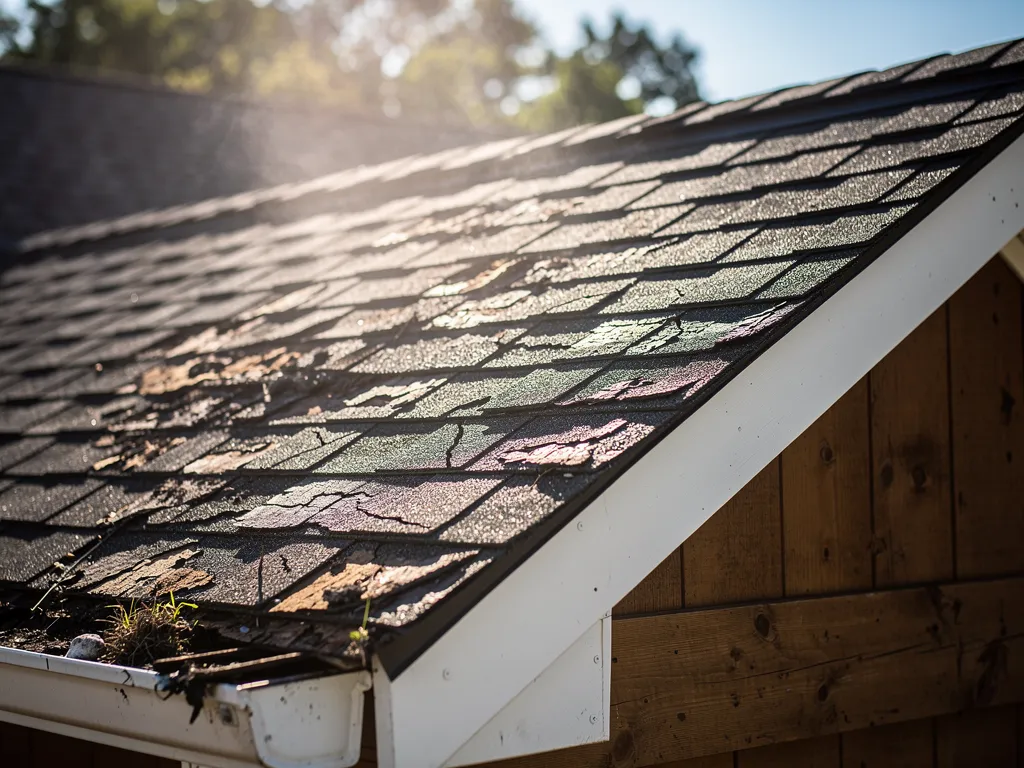
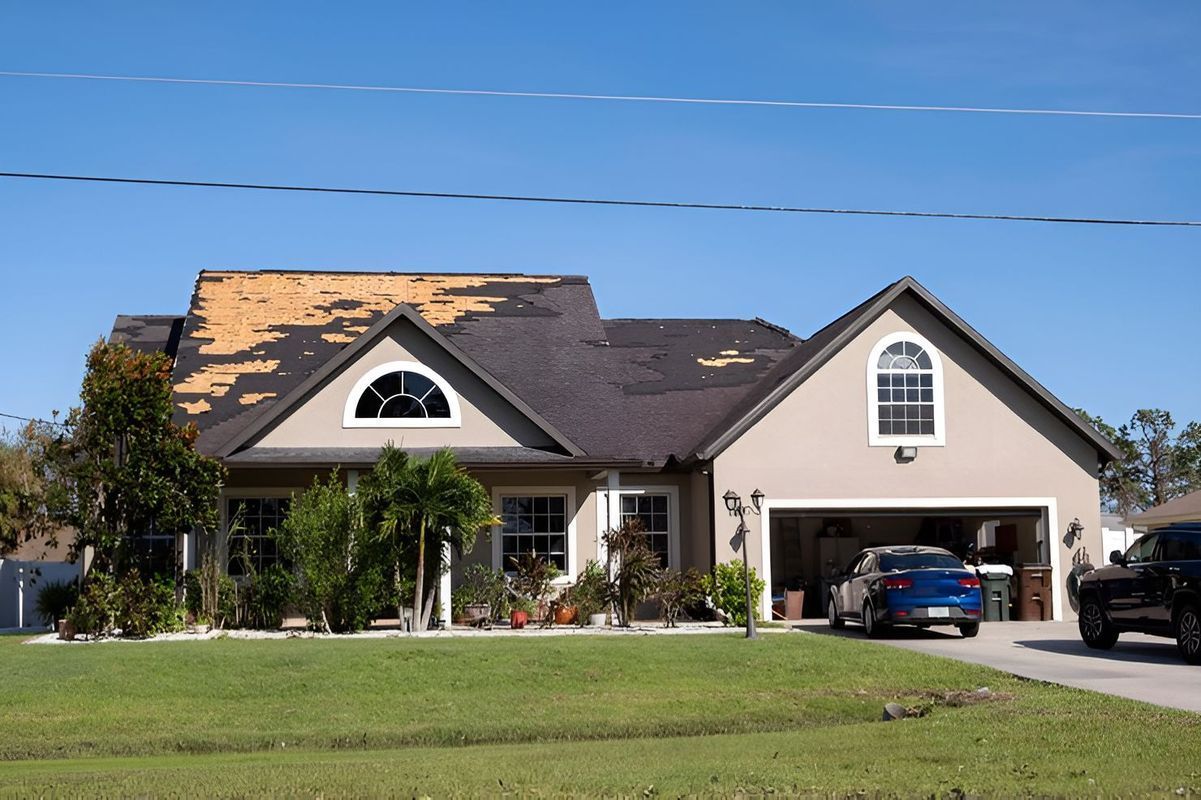
- Missing or curled shingles that expose the underlayment.
- Granules in gutters or downspouts, a sign that the shingles are deteriorating.
- Dents on metal trims, vents, or gutters indicating hail or impact.
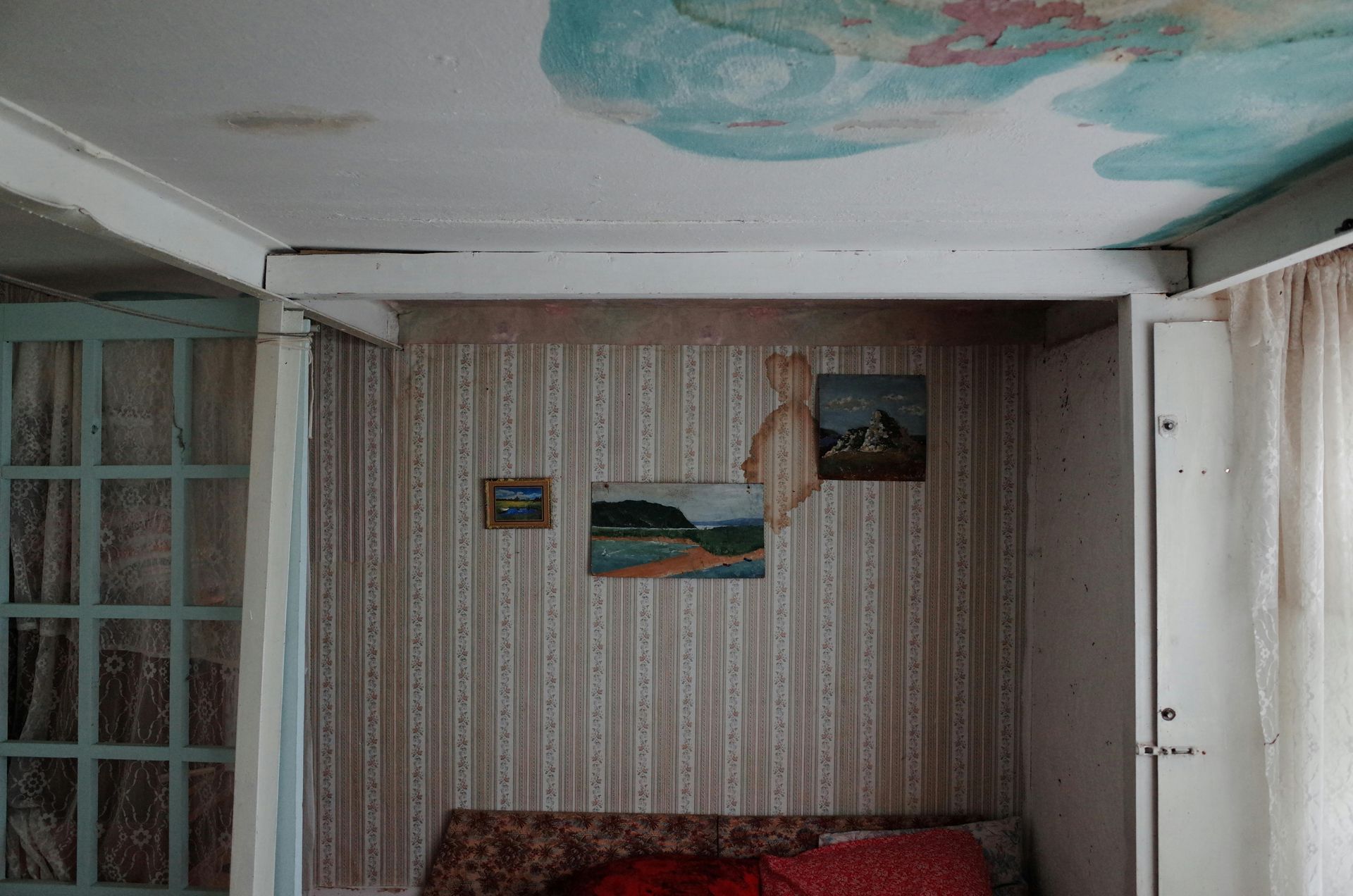
- Water stains or active leaks inside ceilings and attic spaces.
How Do I Document Roof Damage for Insurance and Repair Purposes?
Good documentation speeds claims and helps contractors estimate repairs accurately. The National Association of Insurance Commissioners (NAIC) emphasizes the importance of thorough documentation for a smoother claims process.
- Take well-lit photos and video of every damaged area; include wide shots and close-ups, and keep timestamps if possible.
- Save copies of all communications with your insurer and any contractors you contact—notes, emails, and estimates are crucial.
What Temporary Repairs Can Prevent Further Roof Damage After a Storm?
Short-term fixes can stop new water intrusion while you arrange permanent repairs.
The right temporary measures reduce interior damage and give you time to get a professional assessment.
When and How Should I Use Tarping for Emergency Roof Protection?
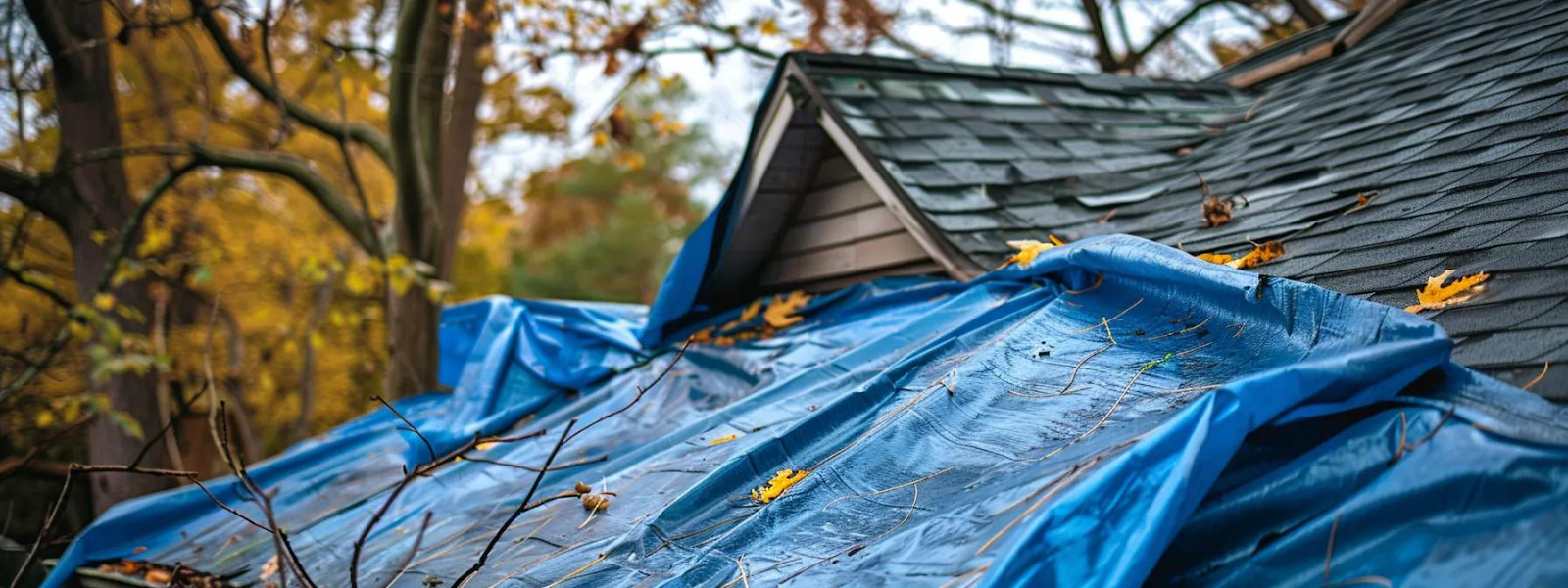
Tarping is a practical emergency step for active leaks or visible openings. Ensure the tarp fully covers the damaged section and is securely fastened. FEMA provides a step-by-step guide on how to properly tarp a damaged roof.
If you’re not comfortable working on ladders, ask a licensed contractor to handle the tarp safely.
How Can Clearing Debris Help Protect My Roof Post-Storm?
| Repair Method | Description | Benefits |
|---|---|---|
| Tarping | Covering damaged areas with a secured tarp | Stops immediate water entry and protects interiors |
| Debris Clearing | Removing branches, leaves, and loose material | Reduces water pooling and prevents additional damage |
Who Should I Contact for Professional Roof Inspection and Repair Services?
After initial safety checks and temporary measures, schedule a professional inspection.
A licensed roofer can spot hidden damage, recommend repairs, and provide documentation for insurance claims.
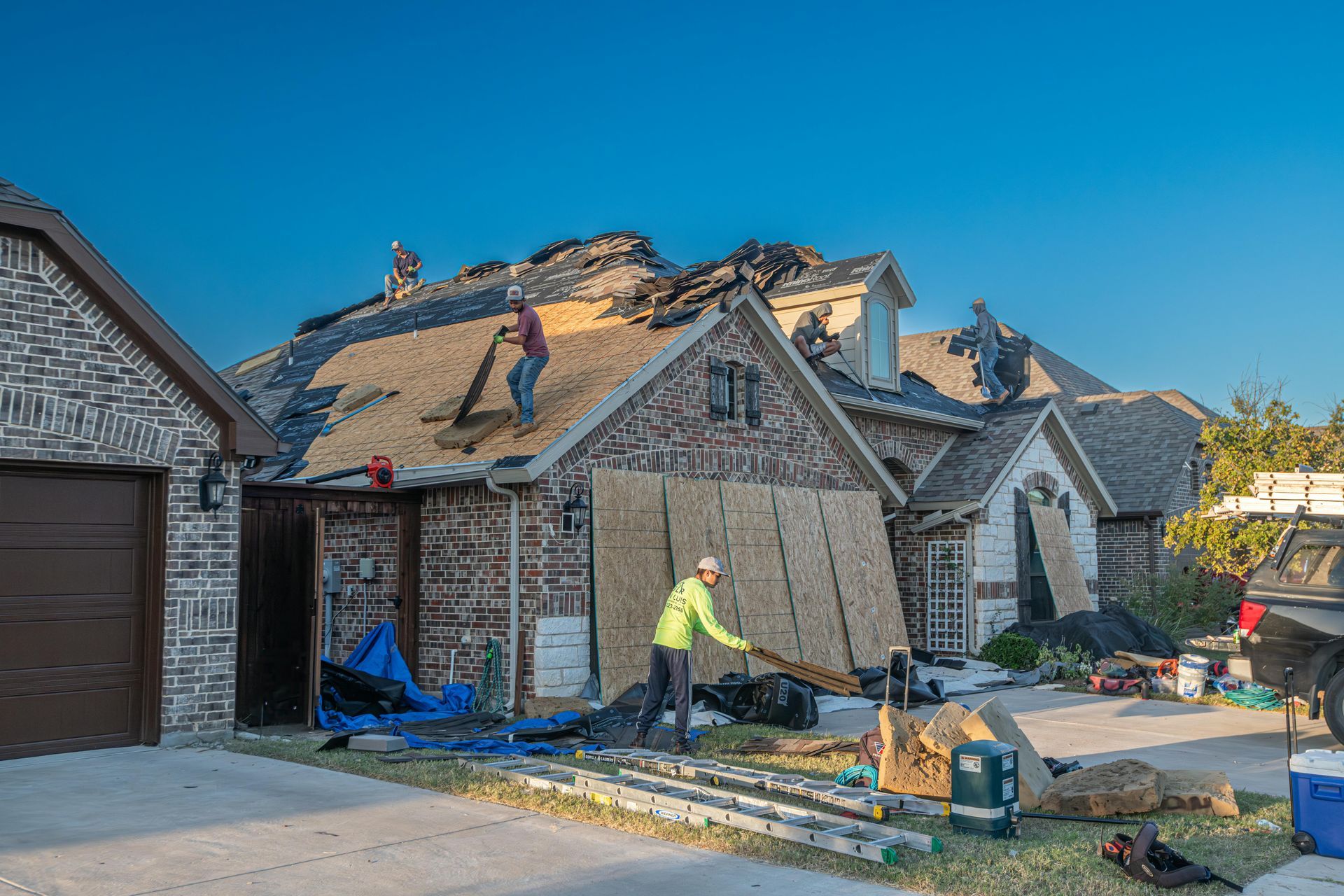
Why Is a Professional Roof Inspection Crucial After Storm Damage?
Pros can identify structural issues you might miss, assess whether repairs or a full replacement are needed, and ensure work is done safely and to code.
Their written reports make insurance claims smoother and help you plan next steps with confidence.
What Emergency Roof Repair Services Are Available in North Georgia?
North Georgia homeowners can access 24/7 emergency services from local roofers, including temporary tarping, damage assessments, and free initial inspections.
Umbrella Roofing, a Sugar Hill roof repair expert, offers rapid response and local knowledge to help secure your home and start the repair process quickly.
Conclusion
Storm damage is stressful, but the right response makes a big difference.
In short, act quickly but safely: check for hazards, document damage, apply temporary protections where needed, and call a trusted local roofer like Umbrella Roofing.
Prompt action helps protect your home and can lower repair costs over time.
If you need help now, Umbrella Roofing is ready to respond across North Georgia—get a free inspection and expert guidance to restore your roof and your peace of mind.
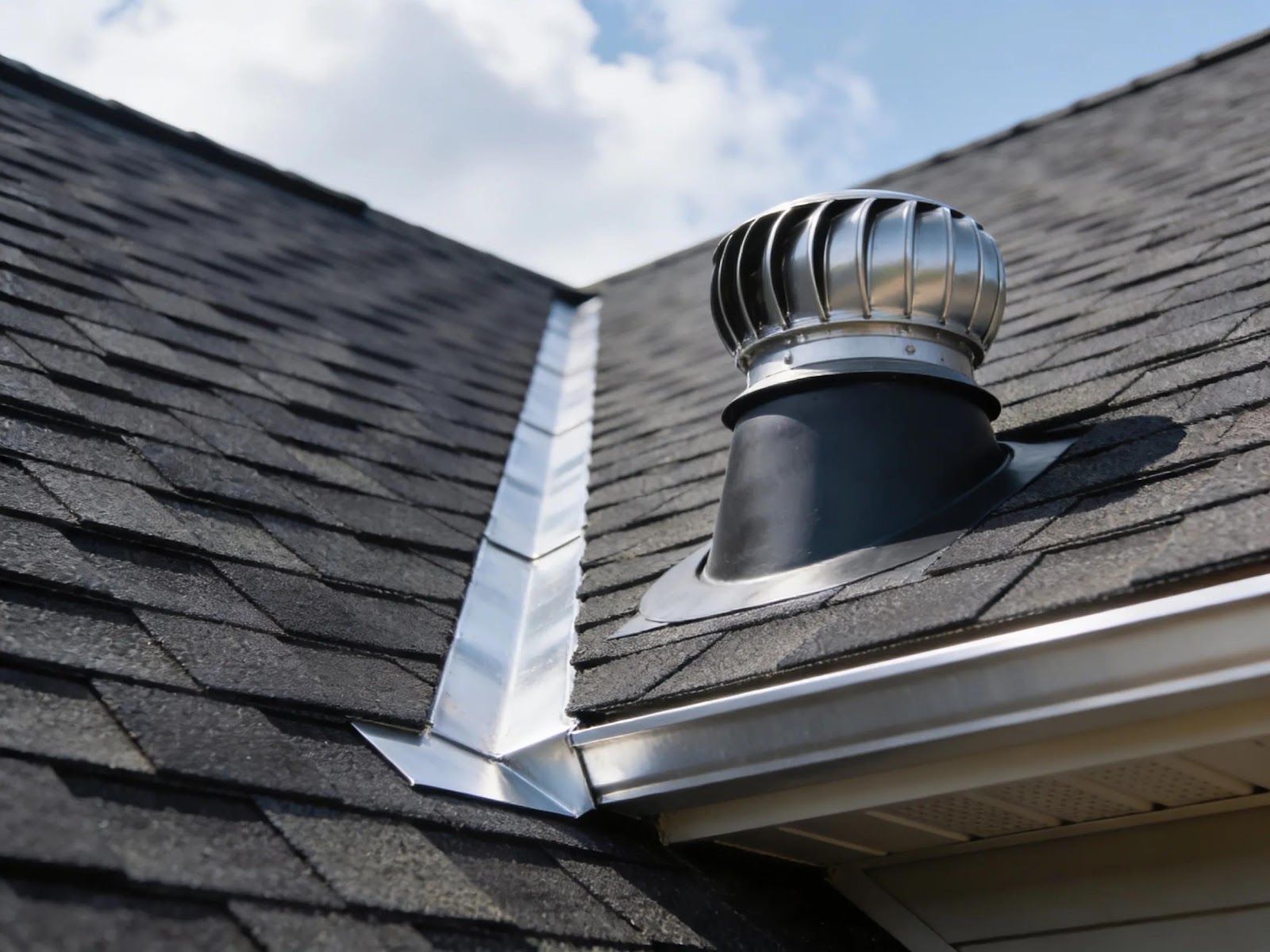
Roof repair in Sugar Hill: why 80% of leaks start at joints and flashing (and how to fix them early)