Hail Damage vs. Normal Wear and Tear: How to Tell the Difference
If you’ve lived in North Georgia long enough, you know that our weather does more than just "age" a roof. It actually attacks it.
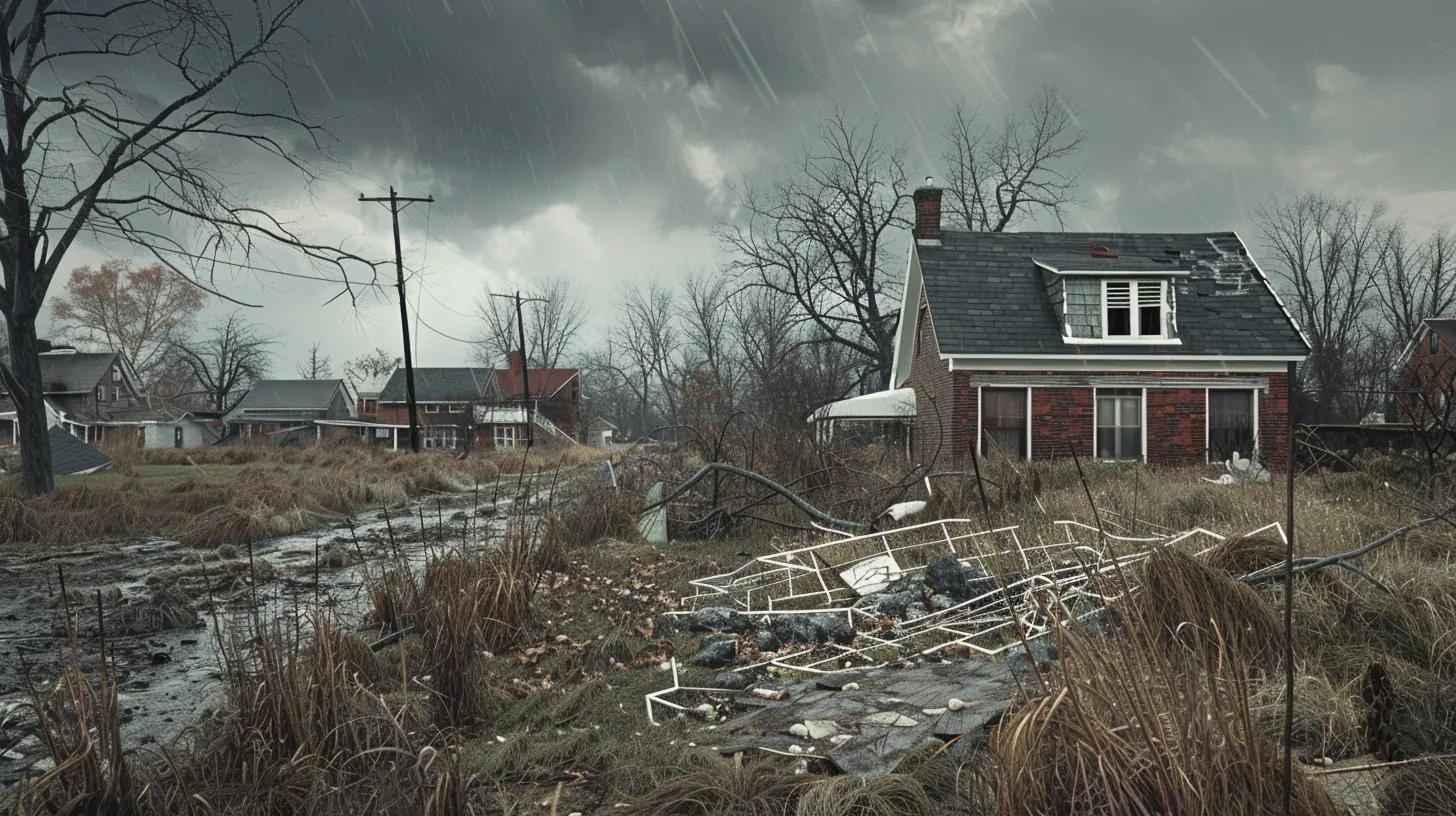
From the scorching summers to the sudden, jagged hail storms, your shingles are in a constant battle for survival. When you spot damage, how do you know if it’s a "sudden and accidental" event covered by your policy or just the inevitable result of the Georgia sun?
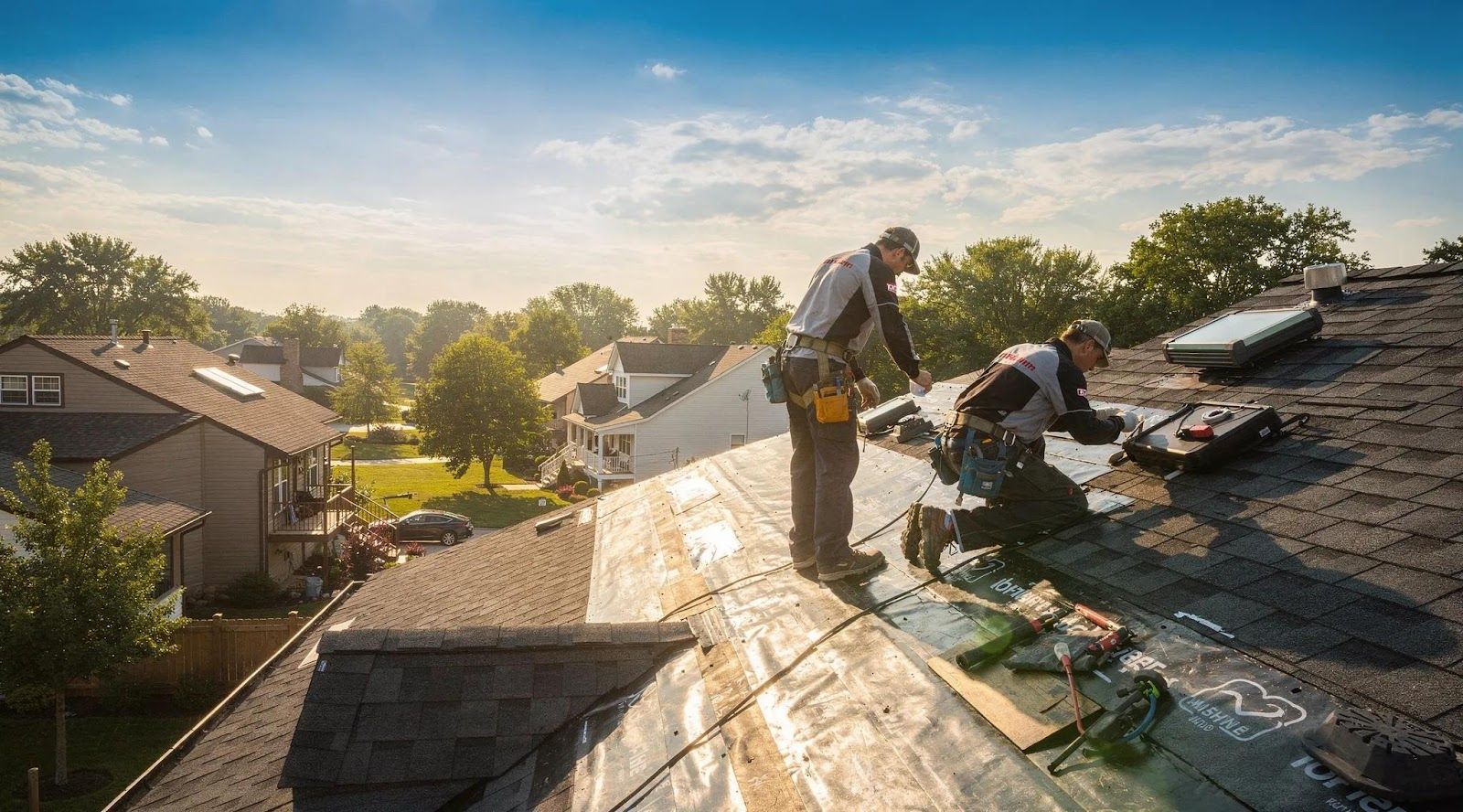
At Umbrella Roofing, we’ve spent years documenting the specific patterns of local storm damage. We’ve developed this guide to help our neighbors tell the difference between a roof that’s simply reached its limit and one that’s been compromised by a storm, ensuring you get the honest answers and professional
roof repair you deserve.
TL;DR — Hail Damage vs. Normal Wear and Tear: How to Tell the Difference
- Hail Damage: Sudden impact damage; circular bruises, fractured fiberglass mats, and localized granule loss.
- Wear and Tear: Gradual deterioration; uniform cracking, curling edges, and "balding" across the entire roof.
- Insurance Coverage: Policies typically cover "sudden and accidental" hail damage. They almost always exclude maintenance issues like aging.
- Action Step: Don't guess and risk a denied claim.
Identifying Real Hail Damage

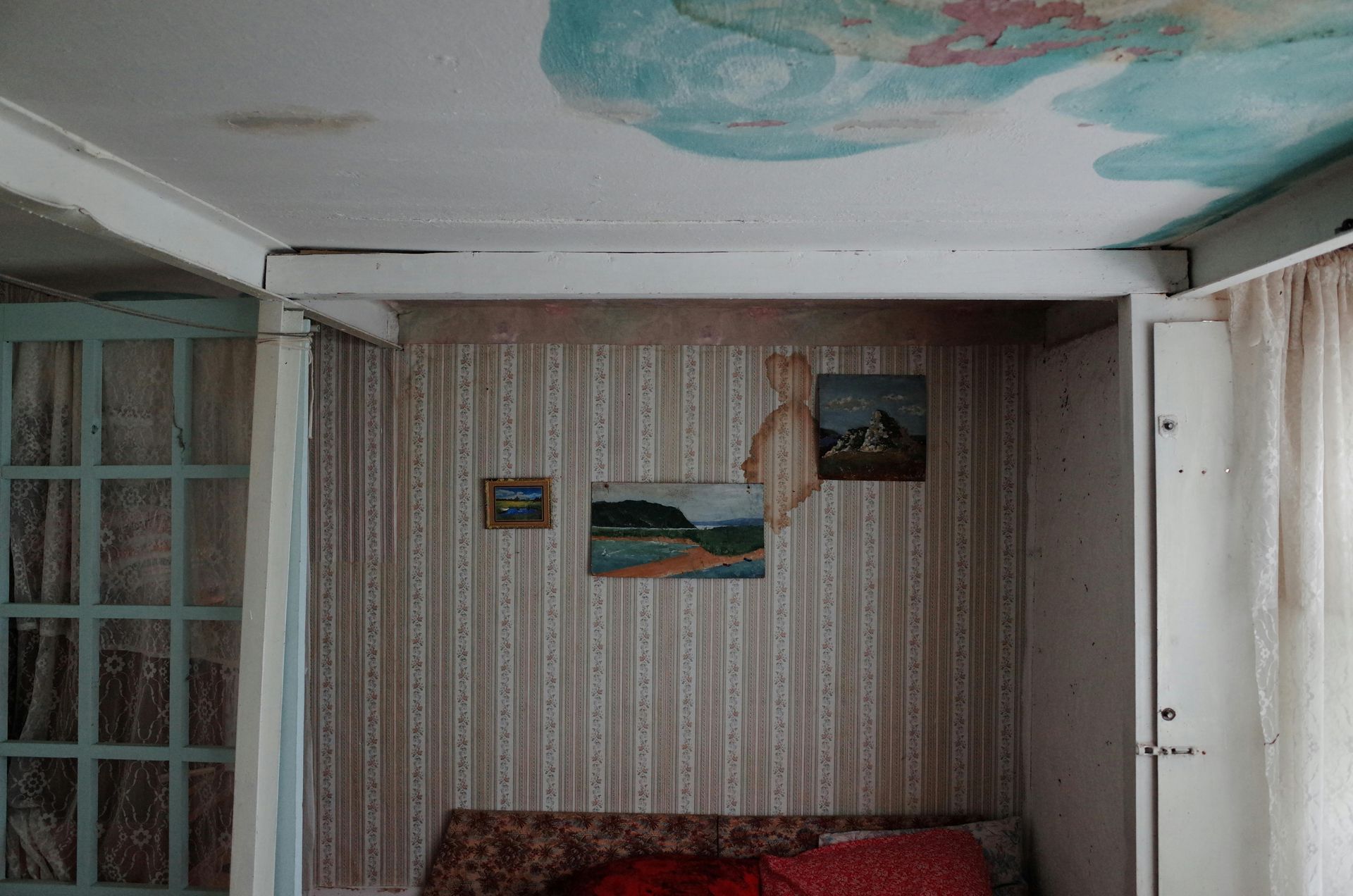
When hail hits an asphalt shingle, it creates a "bruise." Unlike the slow shedding of granules over years, hail impact is sudden. In Sugar Hill, where storms have historically produced significant hail, catching these signs early prevents secondary water leaks.
1. Circular Granule Loss and "Bruising"
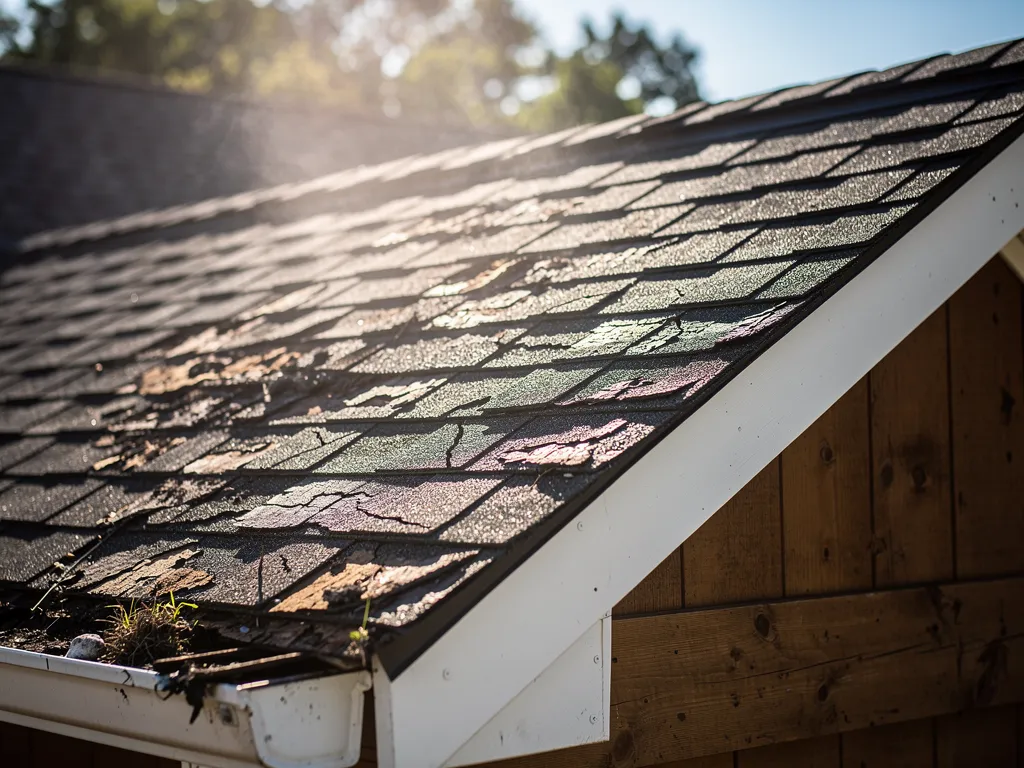
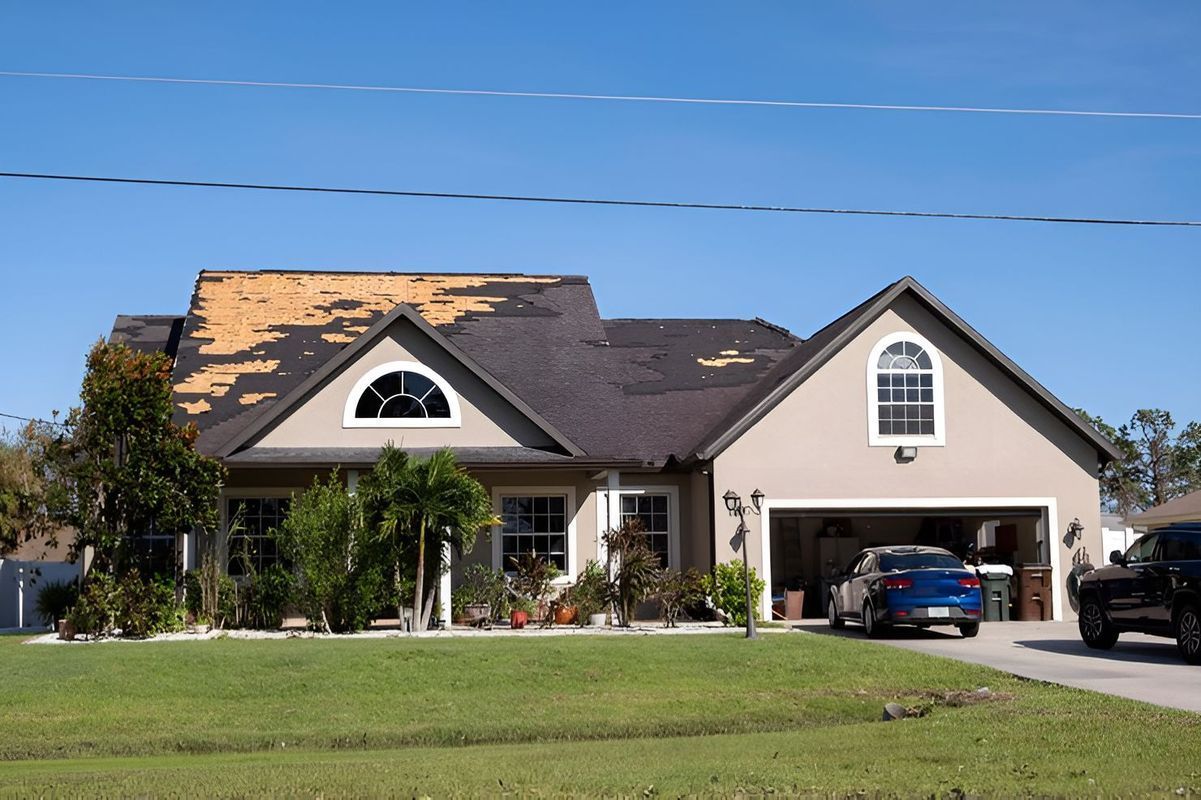
Hail knocks protective granules off the shingle in circular or "teardrop" patterns. You will see dark spots where the black substrate (the felt) is exposed. If you press these spots, they often feel soft or spongy. This means the fiberglass mat inside the shingle is fractured, which ruins its ability to shed water.
2. Random Impact Patterns
Hail hits a roof in a random, chaotic pattern. If the damage is concentrated on one slope (the side the storm hit) and the marks vary in size, it is a clear sign of storm damage. This is different from aging, which usually looks the same across the whole roof.
3. Soft Metal Dents
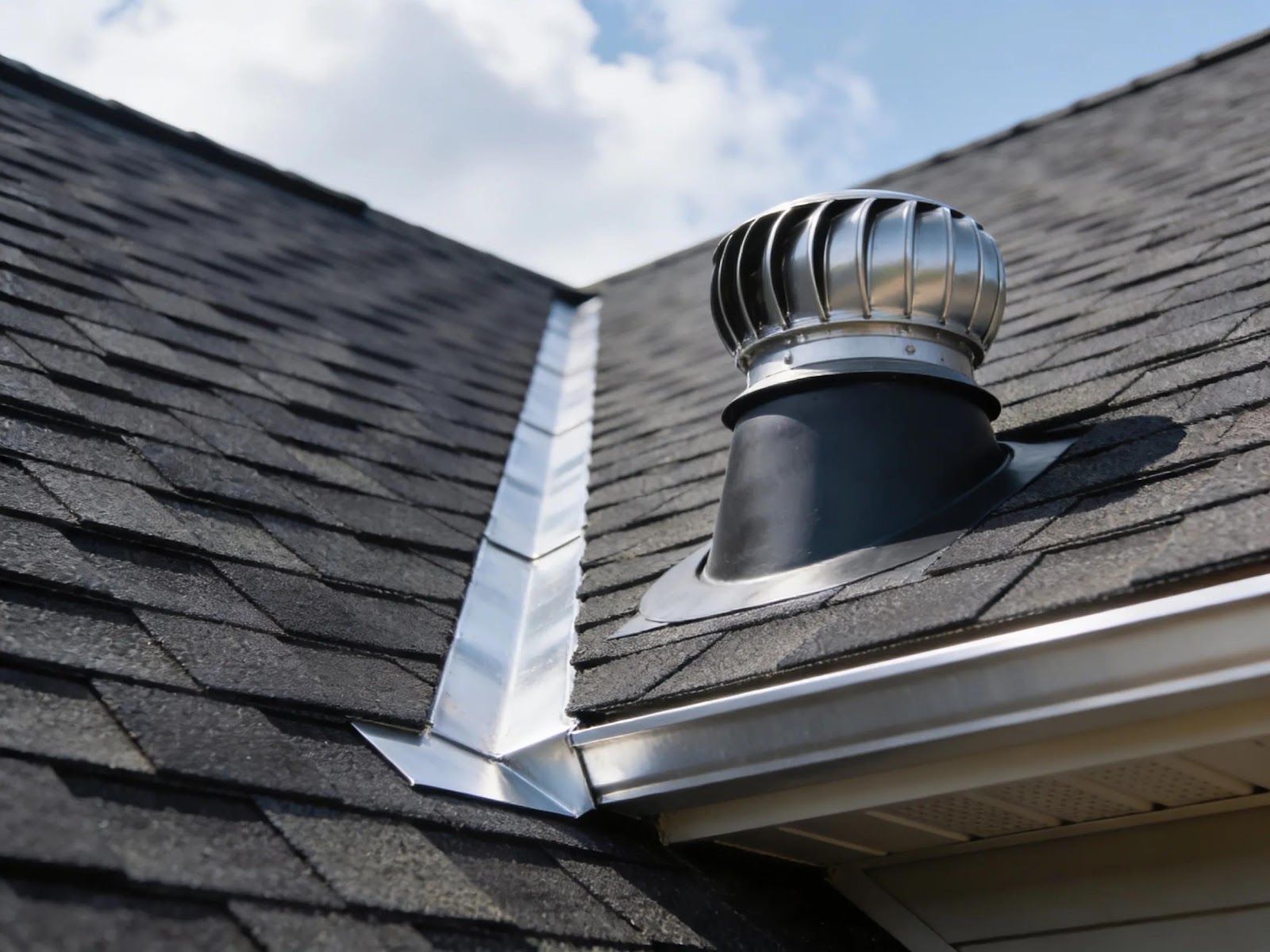
Check your "soft metals"—attic vents, chimney flashing, and gutters. If these metal parts have small dings, it provides the "collateral evidence" insurance adjusters need to verify a hail event occurred.
Signs of Normal Wear and Tear (Aging)
Every roof has a limit. In the humid, high-heat environment of Gwinnett County, asphalt shingles expand and contract constantly. Over 15 to 20 years, this leads to predictable deterioration that insurance will not cover.
1. Curling and "Clawing"
As shingles age, they lose natural oils and become brittle. The edges may curl upward or the middle may bow. This indicates an old roof that has lost its structural integrity due to UV exposure.
2. Linear Thermal Cracking
While hail creates circular marks, aging creates long, horizontal or vertical cracks. This happens when the shingle dries out and loses flexibility. When the roof expands in the Georgia sun and contracts at night, the brittle material eventually splits.
3. "Balding" Shingles
It is normal to see some granules in your gutters over time. However, when large patches of granules are missing uniformly across the entire roof, the shingles have reached the end of their life. This "balding" exposes the asphalt to the sun, which speeds up the rot.
The Umbrella Strong System™
We don't just patch leaks; we install the Umbrella Strong System™. This is our proprietary methodology built specifically for North Georgia weather.
Whether we are doing a minor fix or a full replacement, we focus on long-term resistance to fire, mold, and water. By using our specialized Umbrella Roofing inspection process, we ensure your roof is reinforced to handle the next big Gwinnett County storm. This same level of care is applied to all our projects, whether we are providing
roofing services in Buford or helping homeowners with
roofing in Suwanee.
The "Quarter Test" and DIY Tips

You can often spot trouble from the ground. After a storm in North Georgia, check your property for these signs:
- The Quarter Test: Compare a hailstone to a quarter. Hail that is 1 inch (quarter-sized) or larger is the threshold where functional damage becomes likely.
- Downspout Check: Look at the exit of your downspouts. If you see a massive pile of granules after one storm, your shingles were likely stripped by hail.
According to the
NOAA Storm Events Database, Gwinnett County has seen frequent hail events in the 1-inch to 1.5-inch range. Citing these specific dates is a powerful tool when you talk to an insurance adjuster.
Functional vs. Cosmetic Damage
Insurance covers "sudden and accidental" damage. However, adjusters are now very strict about distinguishing between functional damage (which causes leaks or shortens the roof's life) and cosmetic damage (which only affects the look).
According to the
Insurance Information Institute, understanding your policy's specific language regarding storm damage is the first step in a successful claim.
If an adjuster decides your leaks are caused by 25-year-old shingles that just wore out, they will deny the claim as a "maintenance issue." This is why having a local, family-owned team document the damage is vital. We provide a "damage map" that proves the difference between storm impact and age, following the rigorous standards set by the National Roofing Contractors Association (NRCA).
Protect Your Home
Misidentifying roof damage is an expensive mistake that often leads to denied insurance claims.
At Umbrella Roofing, we focus on providing the technical evidence needed to separate sudden storm trauma from years of silent decay. By creating a detailed 'damage map' of your roof, we help you navigate the insurance process with total confidence.
Don't let a minor hail bruise turn into a major structural leak. Reach out to our family-owned team today for a professional evaluation. Secure your home with the Umbrella Strong System™ and ensure your investment is protected for the long haul.
Schedule a professional roof repair inspection in Sugar Hill today!
Roof repair in Sugar Hill: why 80% of leaks start at joints and flashing (and how to fix them early)