What Every Homeowner Should Expect During a Roof Inspection
Homeowners in North Georgia often overlook their roof until a visible ceiling stain appears or a severe thunderstorm passes through. A professional inspection provides a factual assessment of your home’s primary defense system. If you are preparing for a visit from a local expert, understanding the specific technical steps helps you make informed decisions about your roof.
This guide by Umbrella Roofing in Sugar Hill provides a technical overview of the four-stage assessment process: the physical exterior walk-through, the analysis of attic thermodynamics, the interior moisture check, and the final health report.
TL;DR
- A professional roof inspection includes exterior, attic, interior, and drainage assessments to evaluate overall roof health.
- Inspectors check shingles for granule loss, hail damage, and thermal cracking to identify early signs of deterioration.
- Attic ventilation and insulation are examined to prevent heat buildup and moisture that degrade shingles from underneath.
- Interior inspections detect moisture signals like discoloration and ghost leaks before visible roof leaks occur.
- Gutter systems are evaluated for clogging and proper pitch to ensure effective water drainage and prevent structural damage.
- Inspection reports provide photographic evidence, priority maintenance rankings, and lifespan estimates for informed repair decisions.
- Local building codes in Gwinnett County influence material recommendations to improve wind resistance and fire ratings.
- Insurance claim assistance is available when inspections reveal significant storm damage requiring documented proof for adjusters.
- Regular roof inspections help homeowners avoid emergency repairs and extend the lifespan of their roofing system.
The Exterior Assessment: Evaluating Physical Integrity
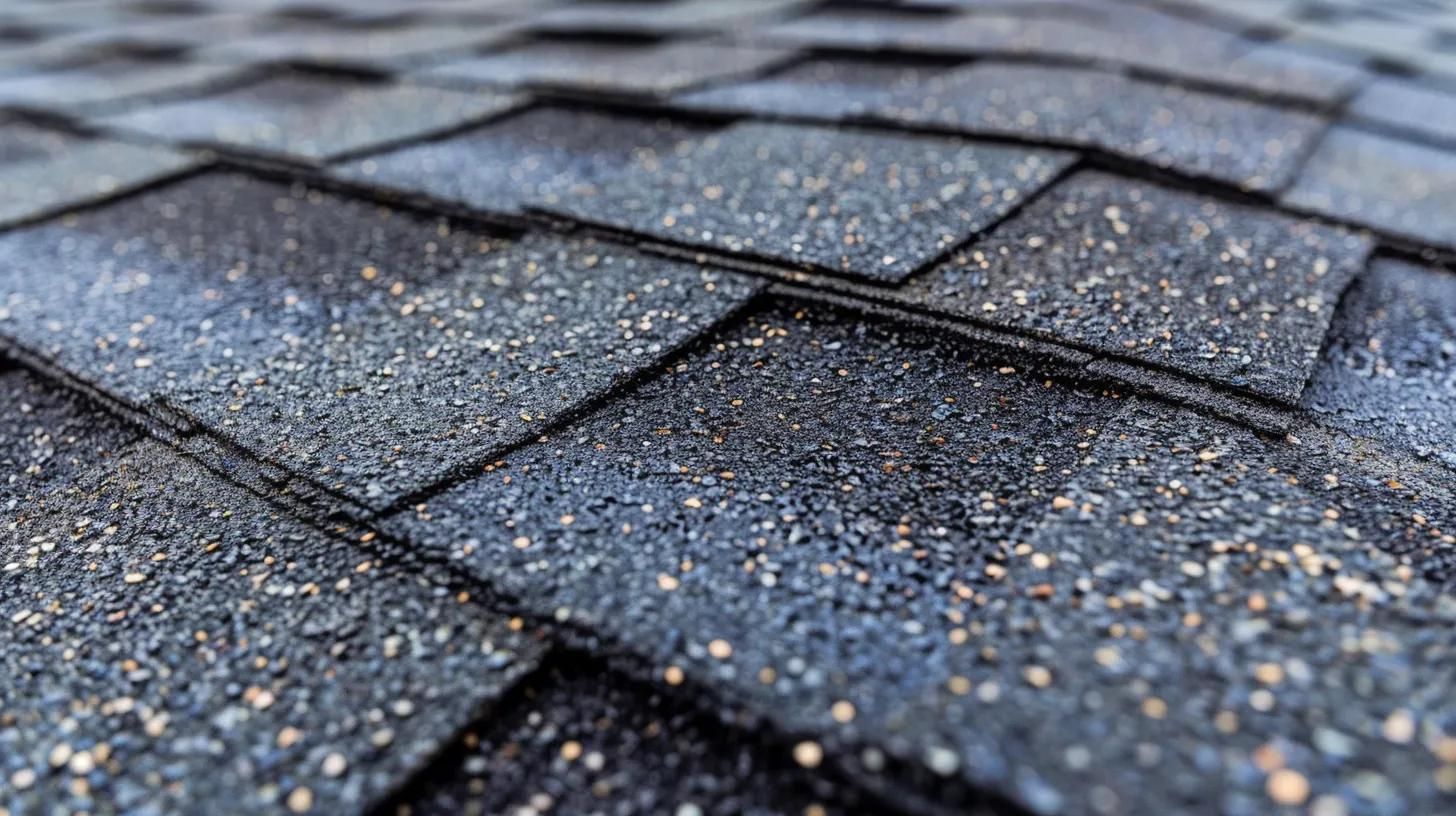
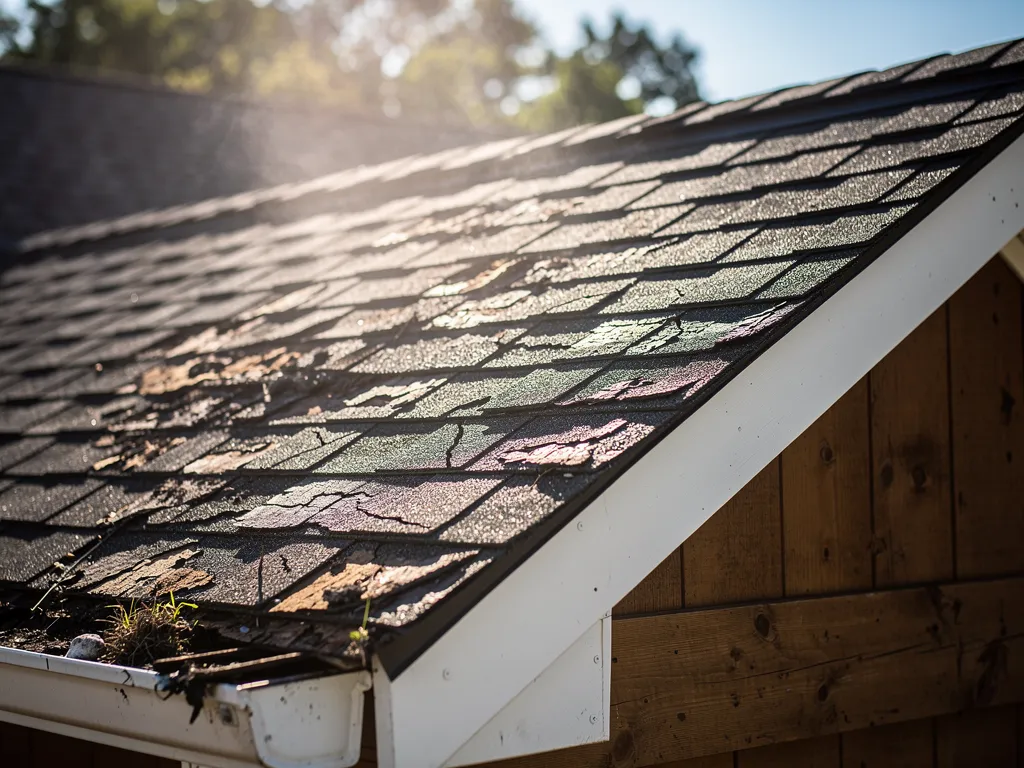
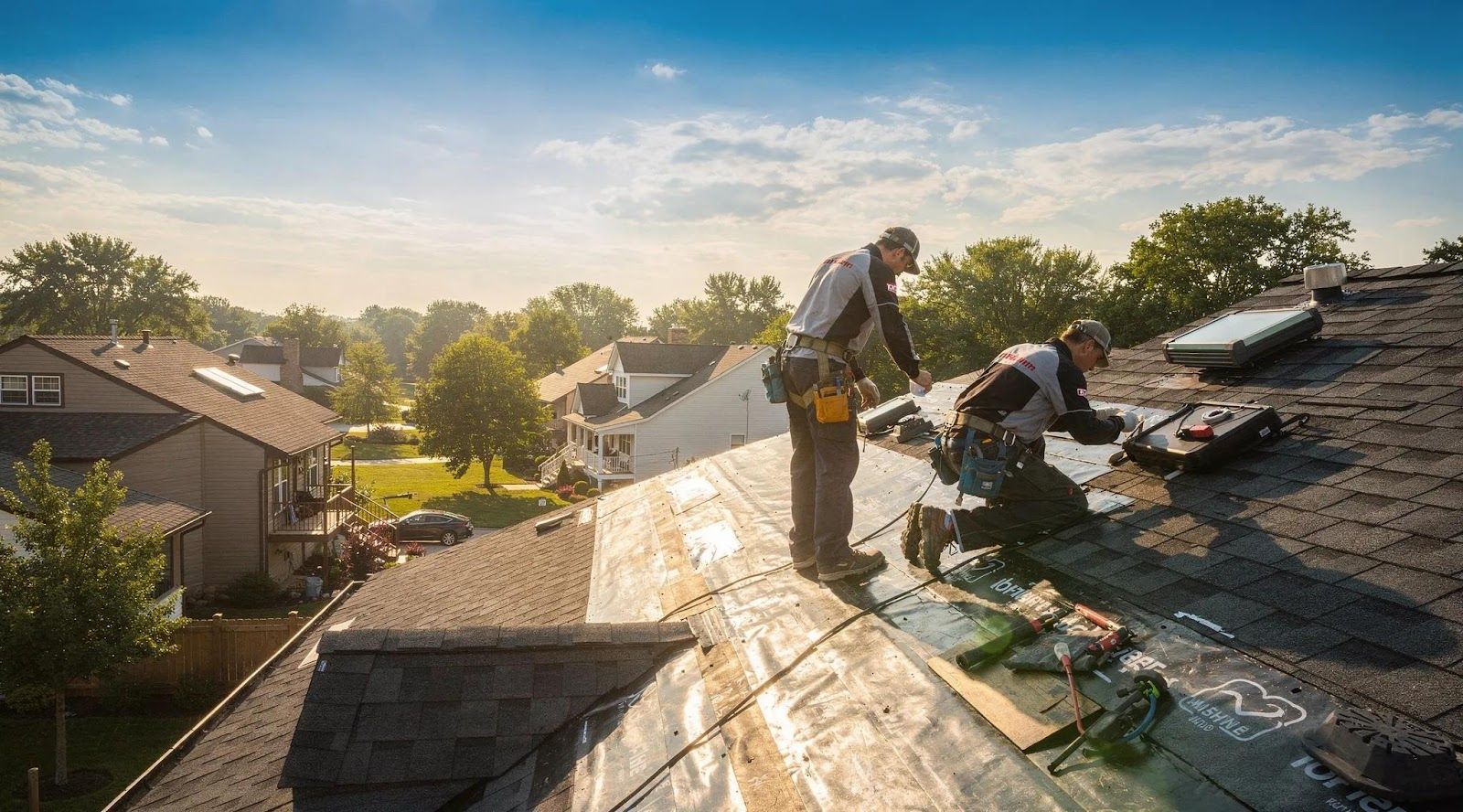
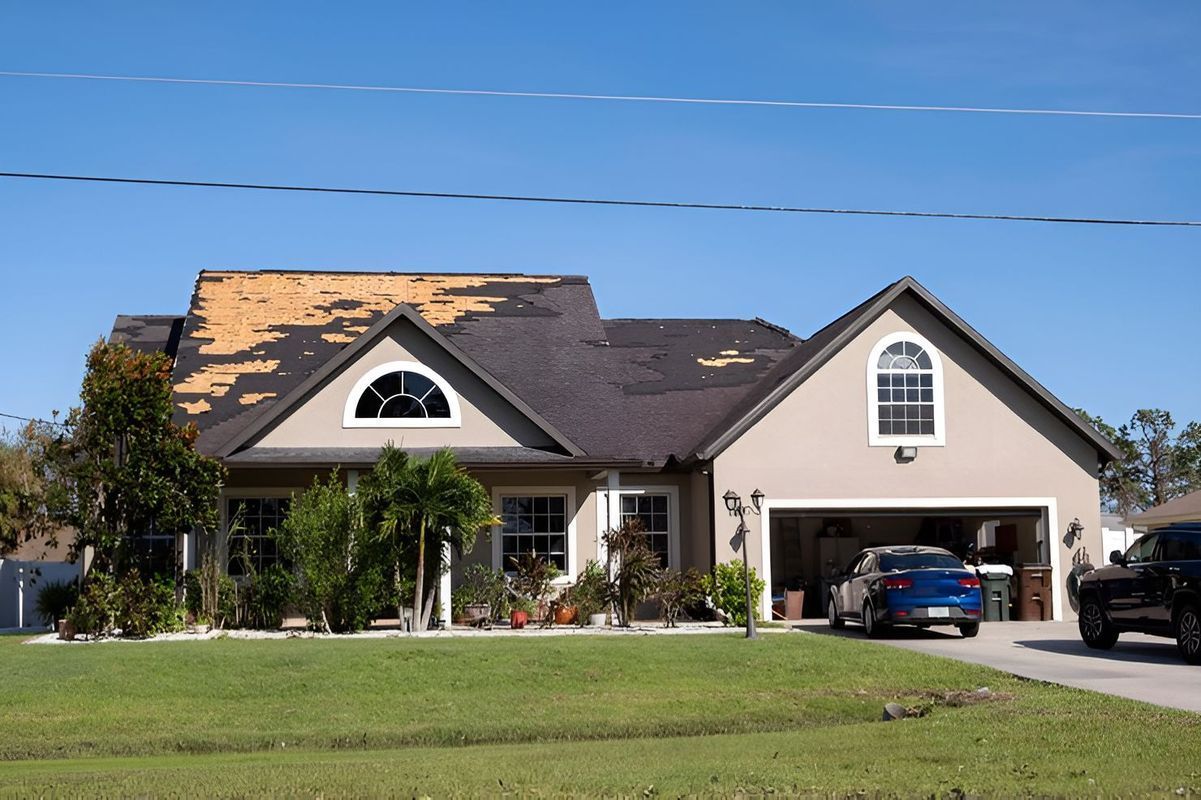
The inspection begins with a physical walk-through of the roof surface. A qualified inspector identifies the specific wear patterns of your shingles. This includes measuring granule loss, which serves as the protective layer for the underlying asphalt. When granules accumulate in your gutters, the shingles become brittle under the North Georgia sun.
The inspector also focuses on "penetrations"—the specific points where pipes, chimneys, or vents break the roof line. These areas are frequent failure points. We examine the flashing to ensure the metal has not rusted or pulled away from the structure. In Gwinnett County, seasonal temperature shifts cause materials to expand and contract, which often creates small gaps that allow water entry.
Identifying Hail Impact and Bruising
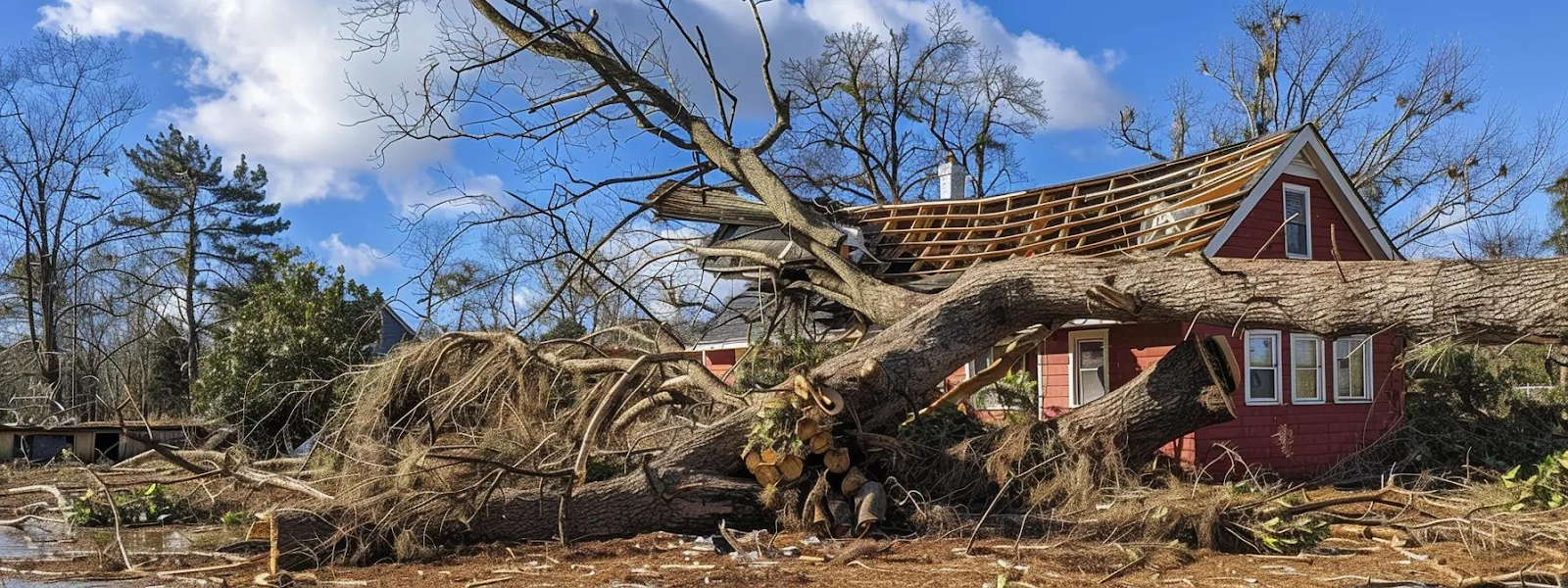
Sugar Hill frequently experiences localized hail events. An inspector looks for "bruising," which is a dark, soft spot where the shingle matting has fractured. This damage is rarely visible from the ground. If left unaddressed, these fractures lead to system failure within a few seasons.
Attic Ventilation and Thermodynamics in Sugar Hill
A professional roof inspection includes a detailed look inside the attic. In our humid climate, the roof functions as a ventilation system. Poor airflow allows heat and moisture to build up, which degrades shingles from the underside.
We verify that intake vents at the eaves and exhaust vents at the ridge are clear. The National Roofing Contractors Association (NRCA) establishes these airflow standards to prevent premature failure. Without proper movement, plywood decking can warp and shingle adhesives may lose their bond.
Managing Summer Heat Loads
During July afternoons in Sugar Hill, attic temperatures often exceed 150 degrees Fahrenheit. If this heat is not exhausted, it radiates into the living space and increases HVAC workloads. A thorough inspection confirms that insulation is not blocking soffit vents, ensuring the intake side of the system remains open.
The Interior Check: Identifying Early Moisture Signals
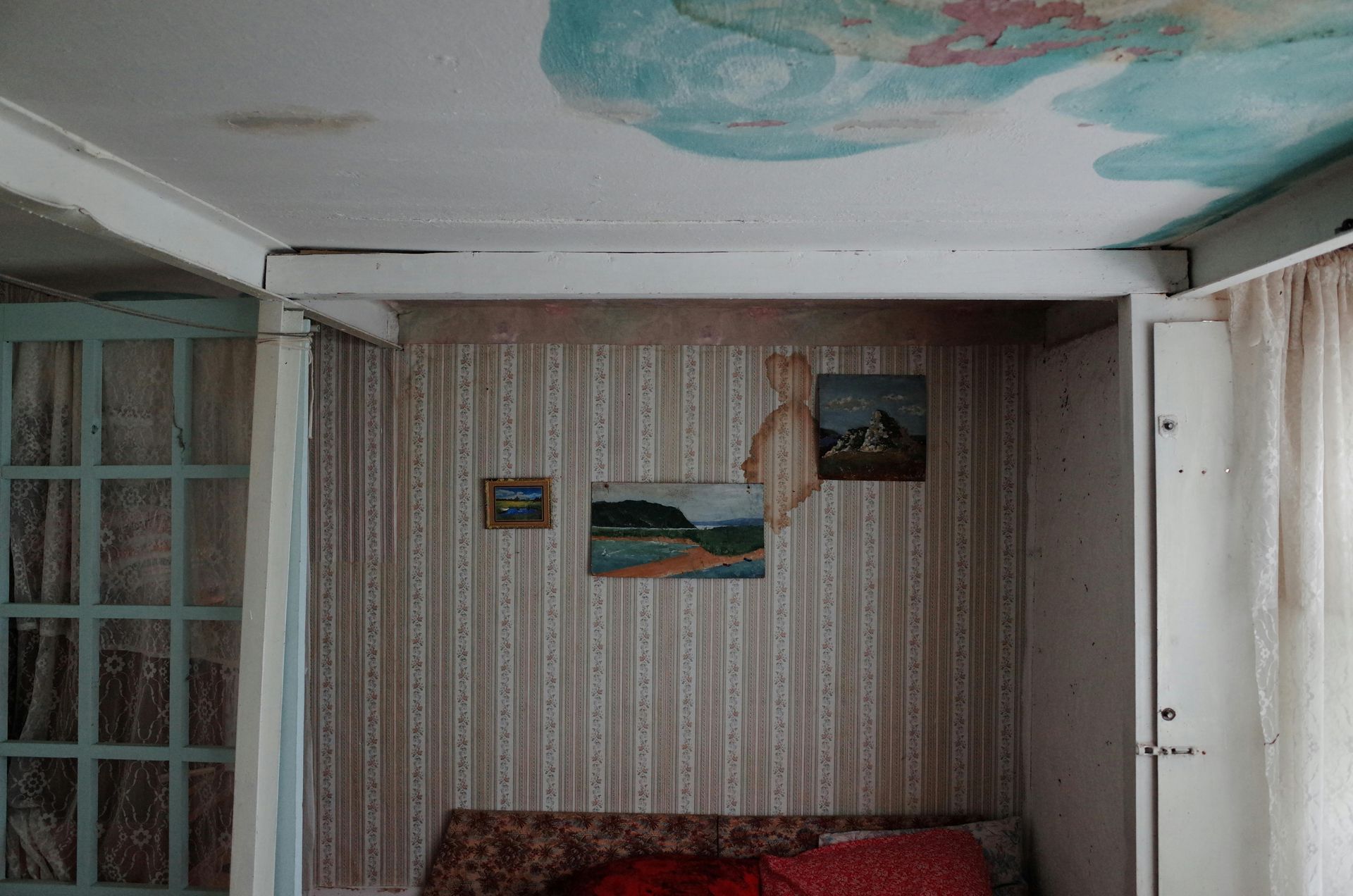
Inspectors use high-powered lighting to check your interior ceilings and walls for early warning signs. We look for drywall discoloration, peeling paint, or musty odors in closets. These indicators often appear before a leak becomes an active drip.
Catching these issues early allows for targeted repairs. This proactive approach is necessary for Sugar Hill homes that have endured multiple seasons of heavy wind and rain.
Tracing "Ghost Leaks"
Water often enters at one point and travels along a rafter before appearing on a ceiling in a different room. This is a "ghost leak." A professional inspector traces these moisture paths back to the source, such as a failed pipe boot or loose step flashing.
Gwinnett County Building Standards and Materials
When an inspection indicates a need for roof repair in Sugar Hill, material choice is governed by local regulations. The Gwinnett County Building Division maintains specific requirements for wind resistance and fire ratings.
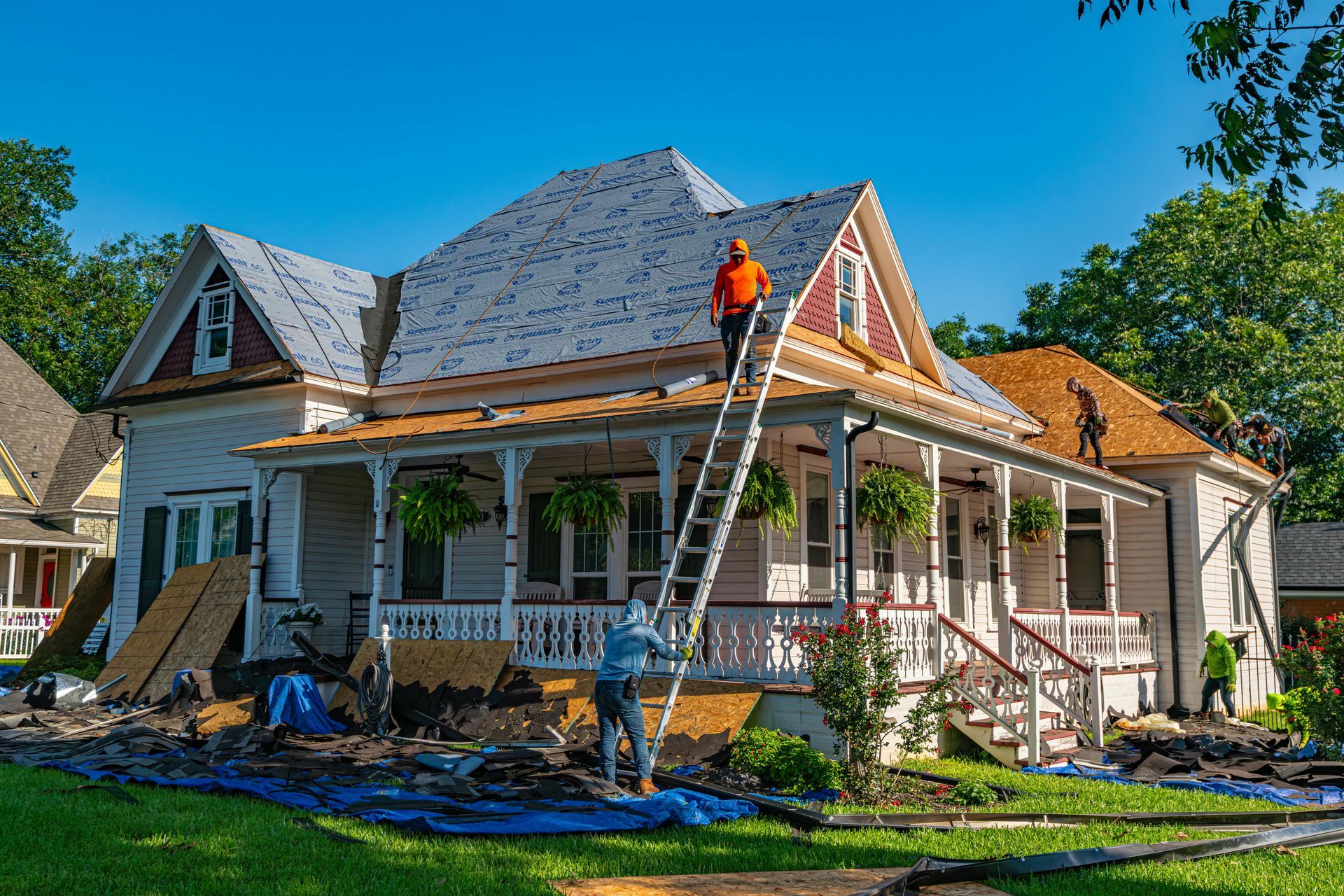
We evaluate if your current materials meet these local codes. Many older homes in the area have shingles that lack the wind rating required for modern storm cycles. We identify opportunities to upgrade to high-definition architectural shingles that provide better resistance and longer manufacturer warranties.
The Science of Shingle Degradation in North Georgia
The climate in Sugar Hill presents unique challenges for asphalt shingles. The combination of high humidity and intense UV radiation accelerates the chemical breakdown of the asphalt binder. During the inspection, we look for "thermal cracking," which appears as horizontal lines across the shingle surface. This is a sign that the shingle can no longer expand and contract with the daily temperature swings.
We also evaluate the "sealant strip" integrity. Over time, the adhesive that bonds shingles together can fail due to wind-driven debris or simple age. If the sealant strip is compromised, the shingles become vulnerable to "wind uplift," where a moderate gust can peel back entire sections of the roof.
Evaluating Gutter Systems and Drainage
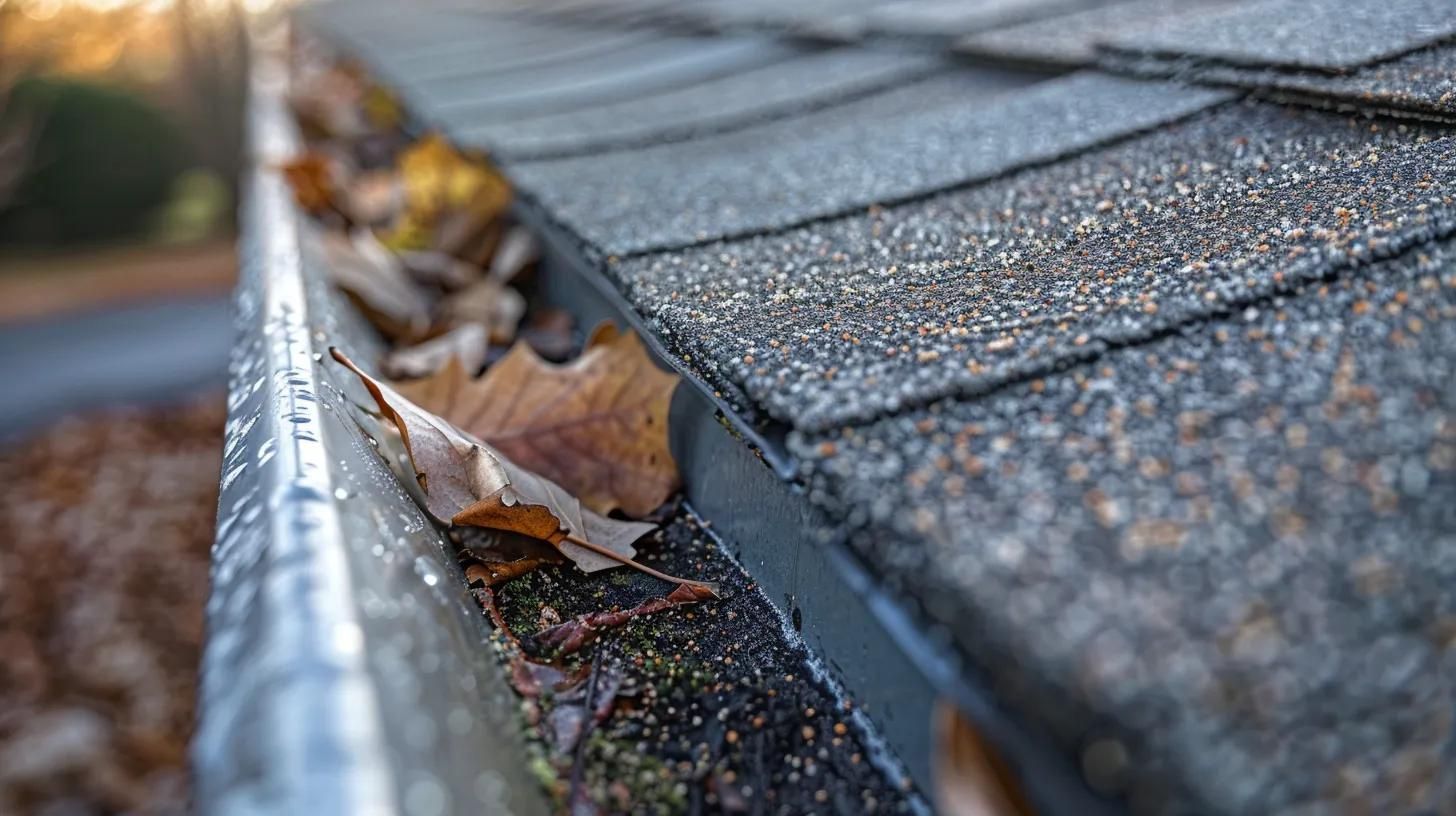
A roof inspection is incomplete without a thorough check of the drainage system. Gutters that are clogged or improperly pitched cause water to back up under the eave shingles, leading to fascia rot. We check for "granule silt" in the gutters, which is a primary indicator of shingle aging.
In Sugar Hill, heavy downpours can overwhelm standard 5-inch gutters. We evaluate if your home would benefit from 6-inch "K-style" gutters to better manage the volume of water we see during the spring storm season. Proper drainage ensures that water is moved away from the foundation, protecting the structural integrity of the entire home.
The Post-Inspection Health Report
After the walk-through, you receive a detailed health report. This document serves as a roadmap for your property. A standard report includes:
- High-Resolution Photography: Visual evidence of issues from the ridge cap to the gutter line.
- Priority Ranking: A distinction between urgent leaks and routine maintenance items like pipe boot replacement.
- Lifespan Estimate: A factual assessment of the remaining service years for the roof.
Insurance Claim Assistance
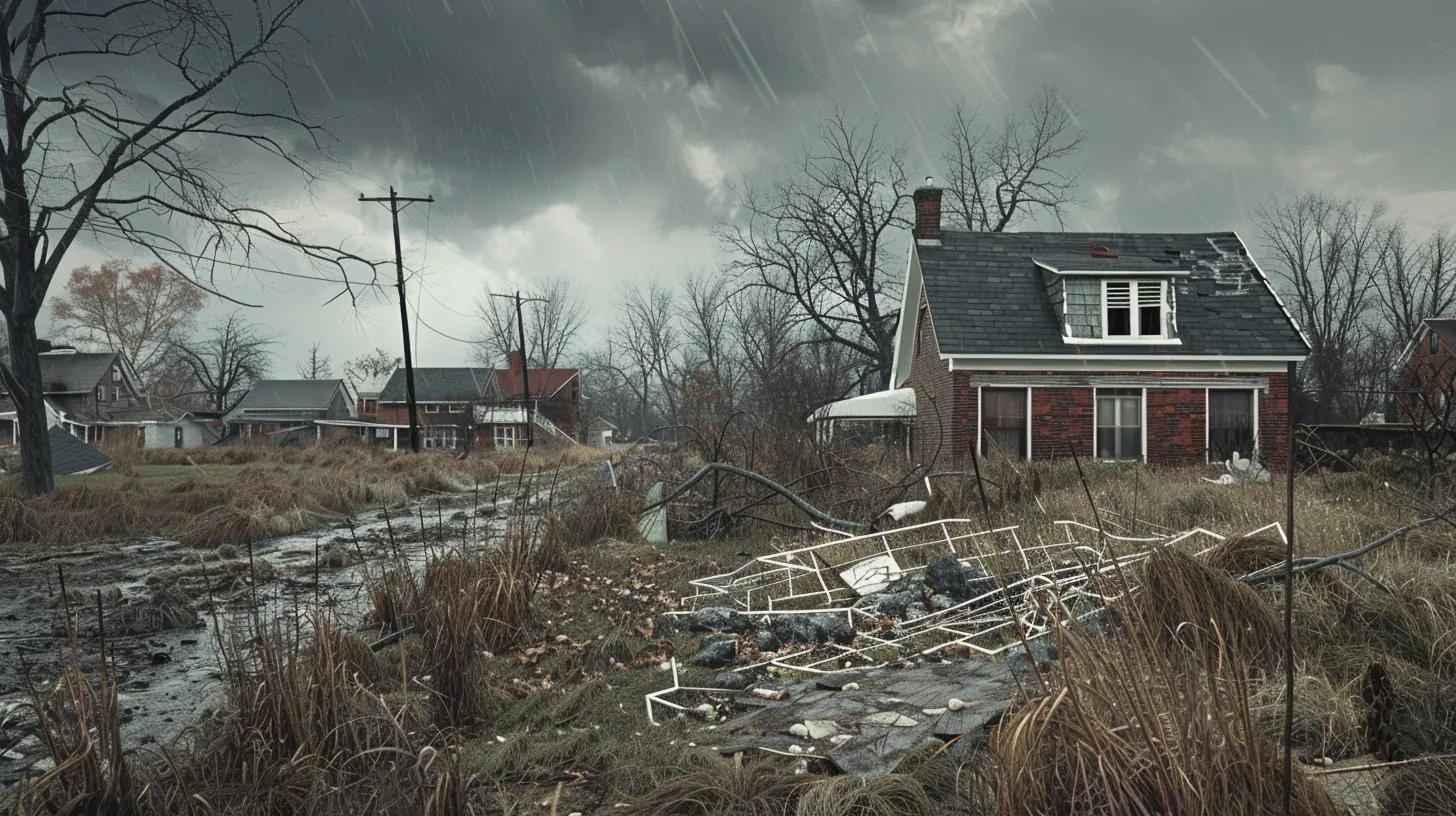
If the inspection reveals significant storm damage, Umbrella Roofing provides insurance claim assistance. We help you distinguish between standard wear and tear and sudden accidental damage. A detailed inspection report provides the objective data an insurance adjuster requires for a fair assessment.
Conclusion: Maintaining Your Home's Integrity
A roof inspection replaces guesswork with factual data. By understanding the exterior, interior, and structural state of your roof, you avoid emergency repairs and extend the life of your home.
You can connect with our team to schedule a free inspection. We'll ensure your home remains protected against the North Georgia elements.
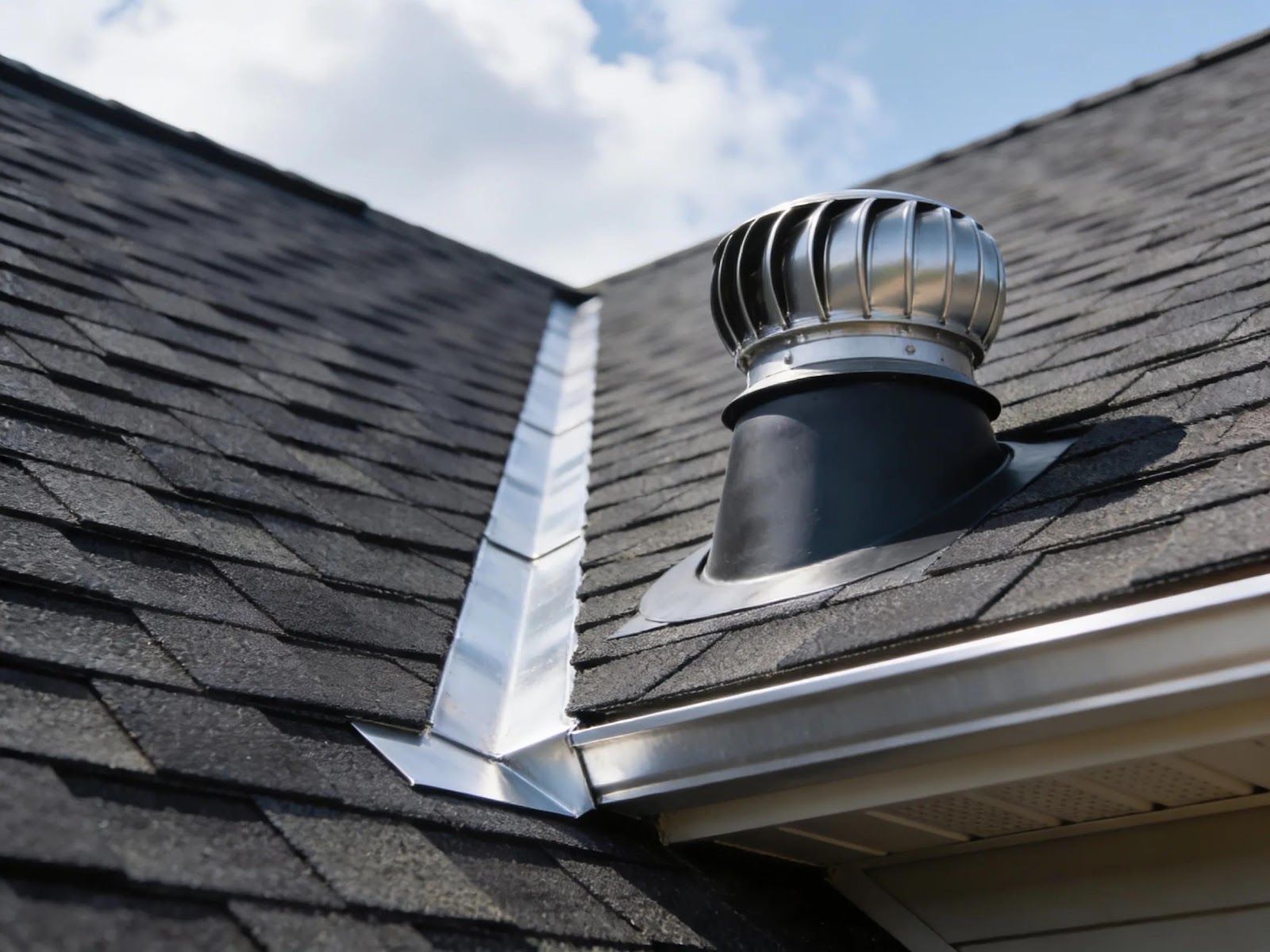
Roof repair in Sugar Hill: why 80% of leaks start at joints and flashing (and how to fix them early)