How to Spot Storm Damage on Your Roof: A Short, Practical Guide for North Georgia Homeowners
Storms can quickly undermine a roof’s protection, and small damage ignored today often becomes an expensive repair tomorrow.
This guide gives North Georgia homeowners clear, practical signs to watch for so you can act fast and protect your biggest investment. Knowing what to look for helps you avoid bigger problems down the road.
We’ll cover the telltale signs of hail and wind damage, walk through a simple post-storm roof inspection checklist, and show how to spot water damage after heavy rain. When you finish reading, you’ll be better prepared to evaluate your roof and know when to call a roof repair professional.
TL;DR — How to Identify Storm Damage on Your Roof
- After storms, check for hail dents, heavy granule loss, and damaged flashing/vents
- Look for missing, lifted, or creased shingles—common signs of wind damage
- Check gutters for granules and attic for stains, mold, or damp insulation
- Do a safe ground-level check with binoculars; avoid climbing without protection
- If damage looks widespread or unclear, schedule a professional roof inspection
What Are the Common Signs of Hail Damage on Your Roof?
Hail damage can be hard to see at first but still shorten your roof’s life. After a hailstorm in North Georgia, keep an eye out for dents on shingles, heavy loss of granules, and damage to flashing or vents. These problems often mean you should schedule a professional inspection especially if damage is widespread.
How to Spot Dents and Granule Loss on Asphalt Shingles
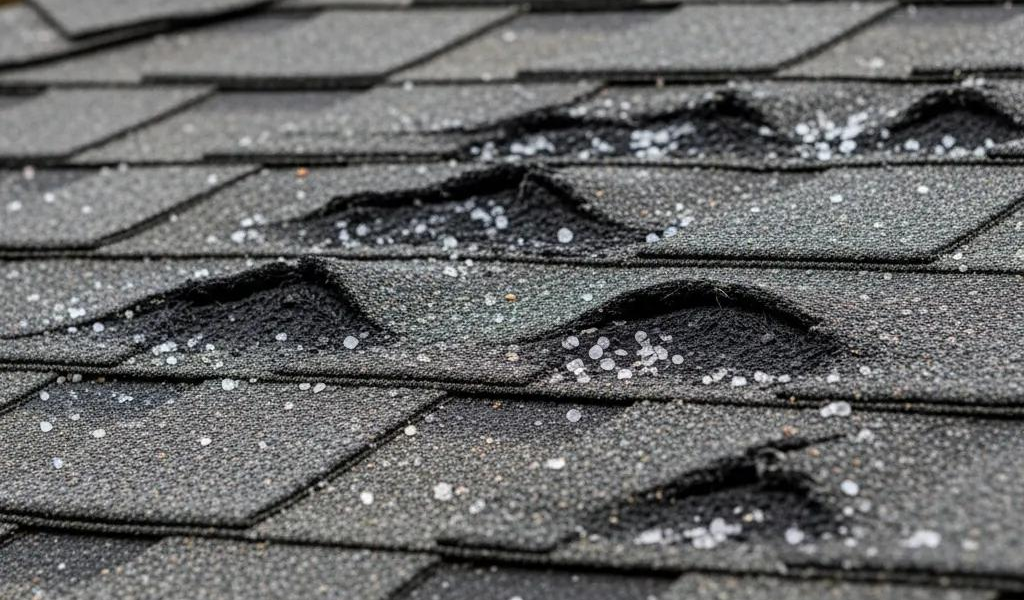
Look for small, circular dents or dimples on the shingle surface and for bald spots where granules are missing. Granules shield asphalt shingles from UV rays and weather. When they’re gone the asphalt underneath ages faster. If you spot many dents or large amounts of granule loss (or see granules in the gutters), schedule a professional roof check.
Identifying Dented Flashing and Roof Vents After a Hailstorm
Hail doesn’t only hit shingles. It can dent flashing and vents, too. Check metal flashing around chimneys, skylights, and roof penetrations for bends, cracks, or dents. Damaged flashing can let water in, and bent vents can reduce attic ventilation. Fixing these quickly prevents leaks and moisture problems.
How to Recognize Wind Damage on Your Roof’s Appearance
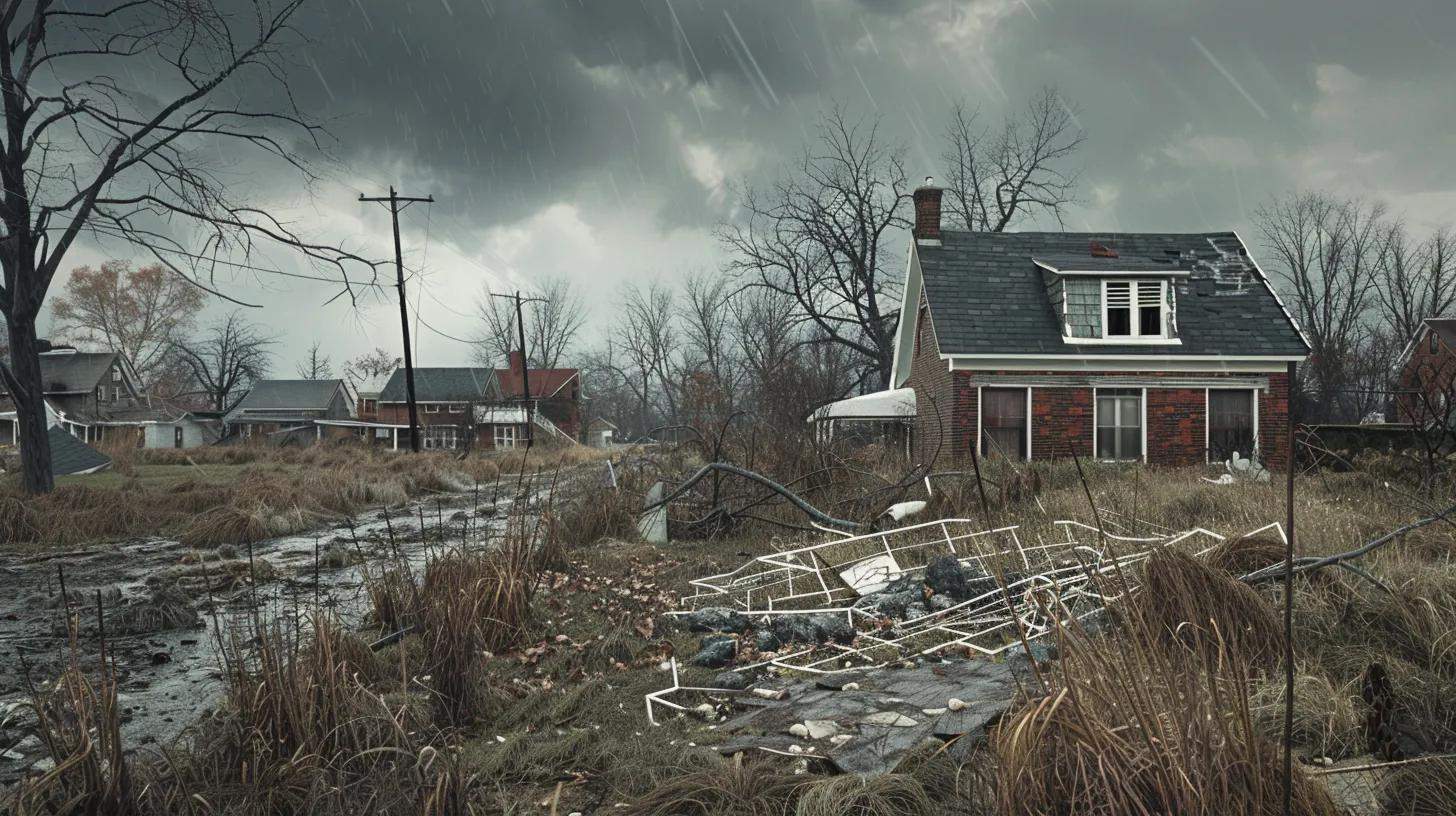
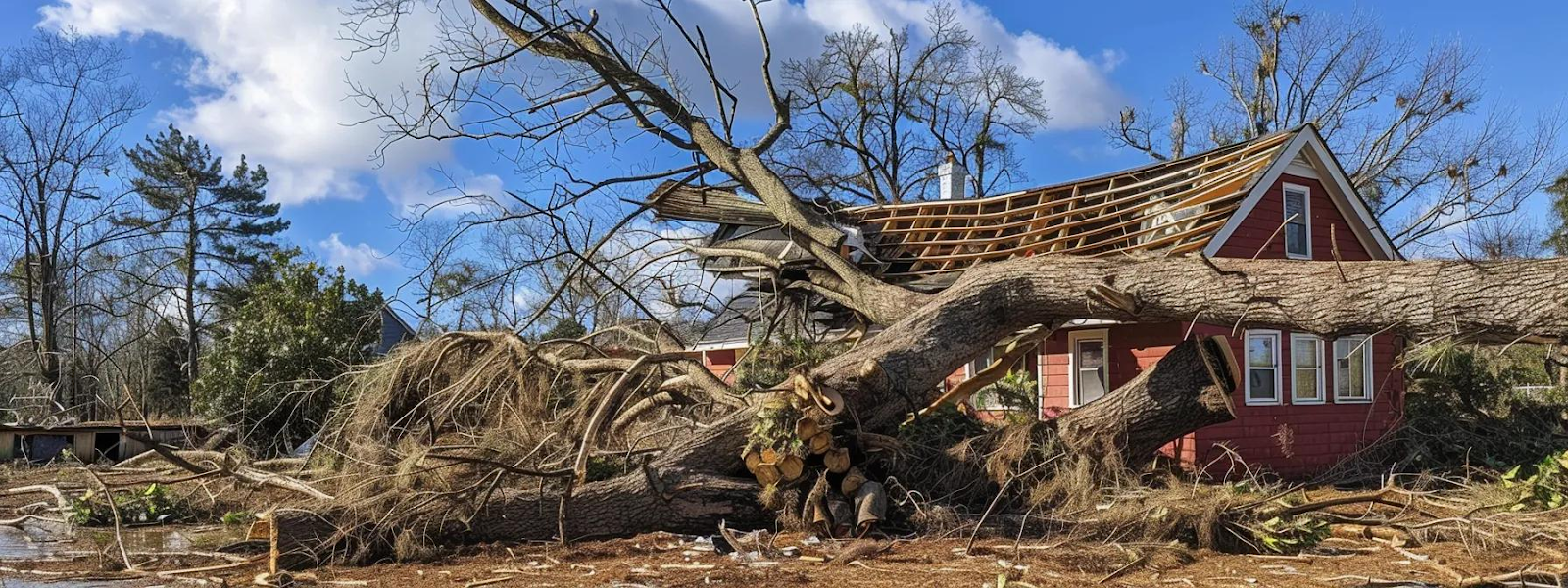
Strong winds, common in North Georgia storms, can lift, tear, or remove shingles. Left alone, wind damage exposes your roof deck and leads to leaks and faster deterioration. Watch for shingles that are missing, lifted, or creased. Each is a sign you should act soon.
What Does Missing or Lifted Shingles Look Like?
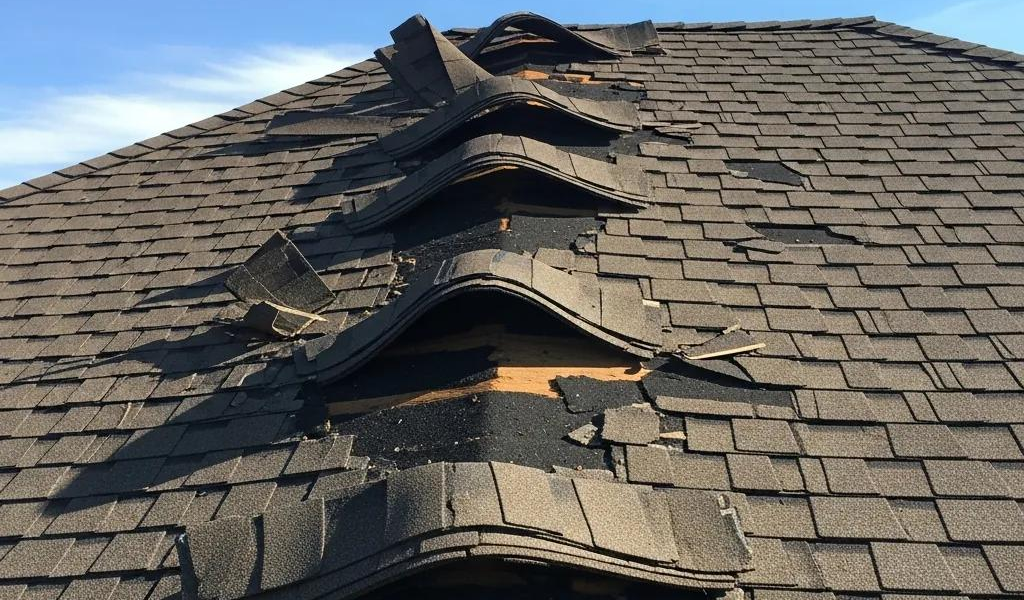
Missing or lifted shingles are easy to spot: they won’t lie flat or sections of shingles may be gone. Exposed decking lets water in quickly, which can cause interior leaks and structural damage. Arrange roof repairs promptly to limit secondary problems.
Detecting Creased Shingles and Damaged Flashing
Creased or bent shingles happen when wind lifts and then forces them down again, breaking their seal and strength. Also inspect flashing for bends, tears, or displacement. Any damaged flashing creates a weak point where water can enter. Repair it right away to keep your roof doing its job.
What Is the Roof Inspection After Storm Checklist?
A quick, organized inspection after a storm helps you spot damage before it gets worse. Use this checklist to make sure you don’t miss critical areas during your post-storm review of a North Georgia roof.
Research supports thorough roof-system inspections to find anomalies early and set priorities for repairs.
- Visual Inspection from Ground Level: Start from the ground where it’s safe. Look for missing shingles, sagging areas, and large debris deposits.
- Check Flashing and Vents: Inspect flashing around chimneys, skylights, and valleys, plus roof vents, for dents, gaps, or displacement.
- Look for Granule Loss: Check gutters and downspouts for shingle granules — heavy buildup is a common sign of hail damage.
- Inspect the Attic Interior: From inside, look for daylight through the roof, damp insulation, or mold, which point to leaks.
How to Safely Perform a Ground-Level Roof Inspection
Safety first: use binoculars and walk the property perimeter to inspect the roof. Don’t climb onto the roof unless you’re trained and have proper
fall protection. Focus on vulnerable spots like valleys, ridges, chimneys, and other penetrations.
What to Look for When Inspecting Your Attic for Hidden Damage
Your attic will often reveal leaks before you see signs inside the home. Look for water stains on roof decking, wet or compressed insulation, and any
mold or mildew. Catching these signs early limits structural harm and keeps your insulation effective.
How to Identify Signs of a Damaged Roof After Heavy Rain
Heavy rain can expose existing weak points or create new leaks. After significant rainfall, North Georgia homeowners should inspect both the roof exterior and interior for water-related issues. Early detection helps prevent interior damage and costly repairs.
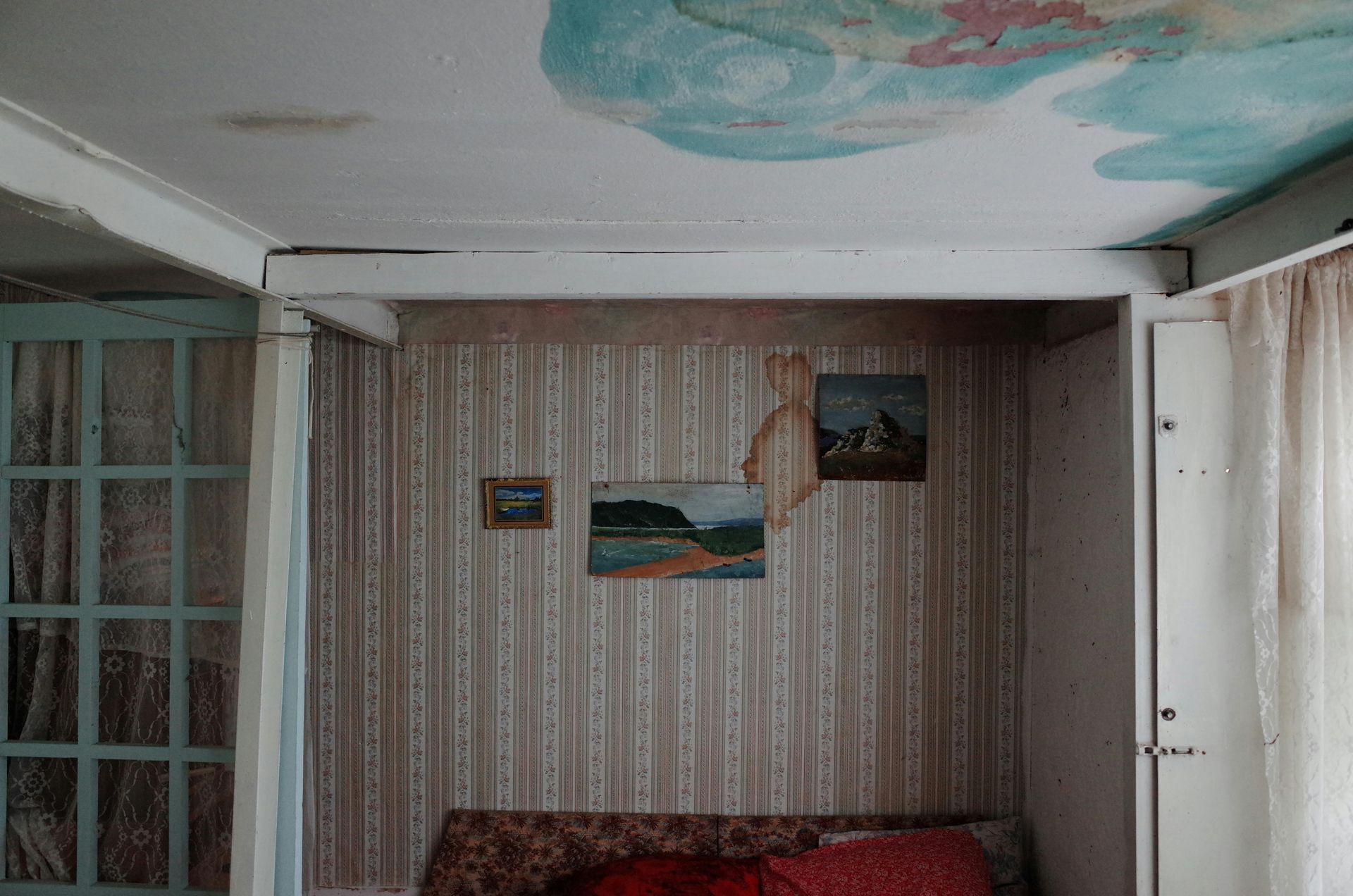
- Interior Water Stains: Watch for rings, discoloration, or damp spots on ceilings and upper walls — classic signs of a roof leak.
- Mold Growth: Check poorly ventilated or damp spaces, especially the attic, for mold or mildew that follows persistent moisture.
- Damp or Sagging Insulation: Wet insulation looks matted or sagging and loses its insulating value, which can raise energy bills and cause further damage.
Spotting Water Stains, Mold, and Damp Insulation in the Attic
Water stains on framing, ceiling sheathing, or insulation are clear evidence of a leak. A musty smell, visible mold, or wet insulation means you should find the water source right away. Mold presents health risks and should be handled by professionals if it’s widespread.
Recognizing Peeling Paint and Interior Ceiling Leaks
Leaks often show up inside as peeling paint, bubbling plaster, or active drips on ceilings and walls. If you notice these signs, inspect your roof and attic promptly. Quick action prevents more costly repairs to finishes and structure.
Quick Reference: Storm Damage Signs & Actions
| Damage Type | Common Signs | Recommended Action |
|---|---|---|
| Hail Damage | Dents in shingles, heavy granule loss, damaged vents or flashing | Arrange a professional roof inspection |
| Wind Damage | Missing or lifted shingles, creased shingles | Repair or replace affected areas promptly |
| Water Damage | Interior water stains, mold, wet or sagging insulation | Inspect roof and attic for leaks; stop the moisture source |
Suspect Storm Damage? Get a Free Roof Inspection!
Spotting storm damage early protects your North Georgia home and helps avoid big repair bills later. Knowing the signs of hail, wind, and water damage lets you act quickly. If something looks off, don’t wait. Get it checked.
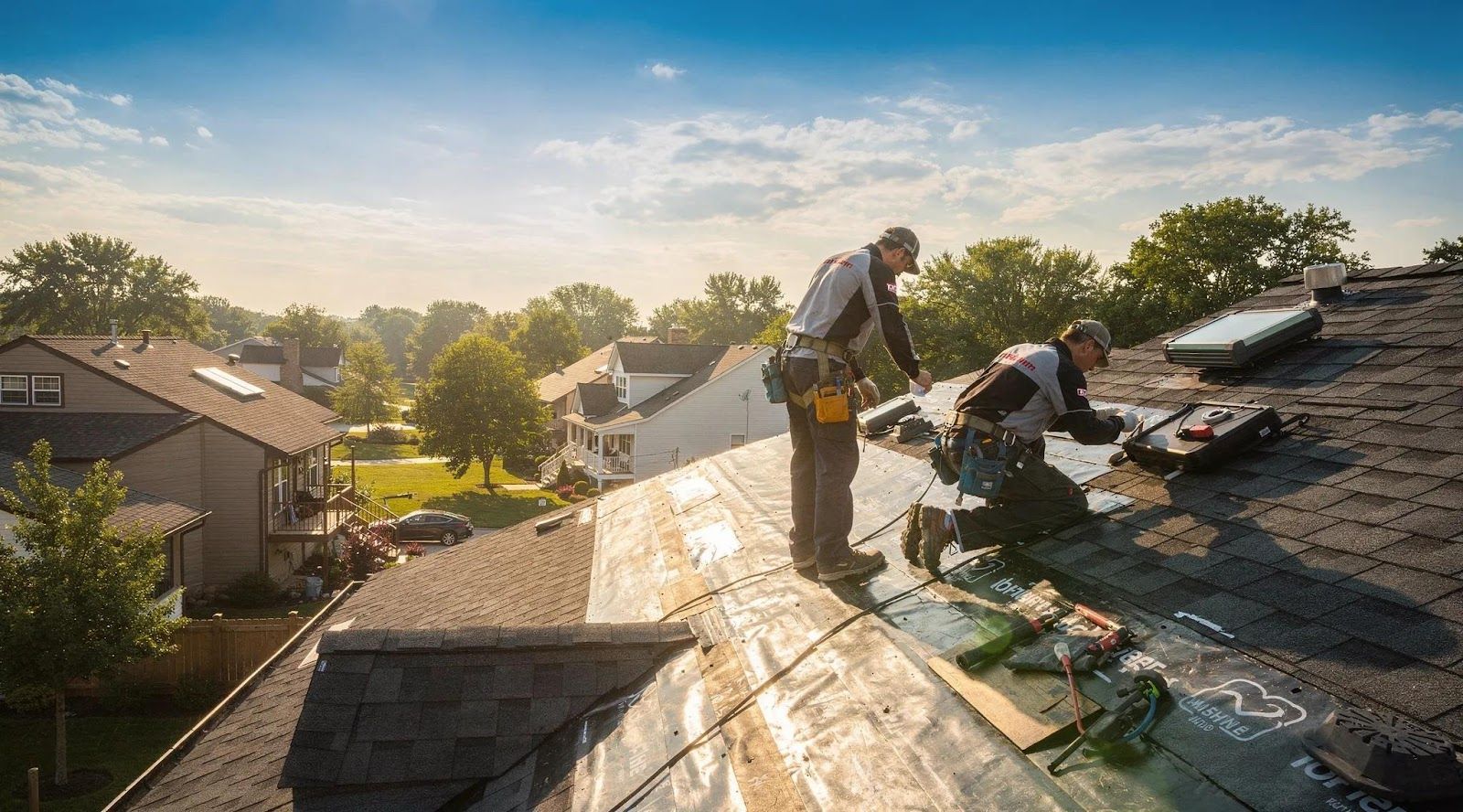
Umbrella Roofing is a family-owned North Georgia company specializing in roof repair in Sugar Hill, Georgia. We offer free same-day inspections so homeowners can get fast answers and clear next steps.
Protect your home with Umbrella Roofing, your local storm damage experts.
Conclusion
Identifying storm damage on your roof is crucial for maintaining the integrity of your North Georgia home and preventing costly repairs. By recognizing the signs of hail, wind, and water damage, you can take swift action to protect your investment.
Don't hesitate to reach out for a professional inspection if you notice any issues. Schedule your inspection today to ensure your roof remains in top condition.