A Storm Hit Your Roof Last Night? 5 Steps for Emergency Roof Repair
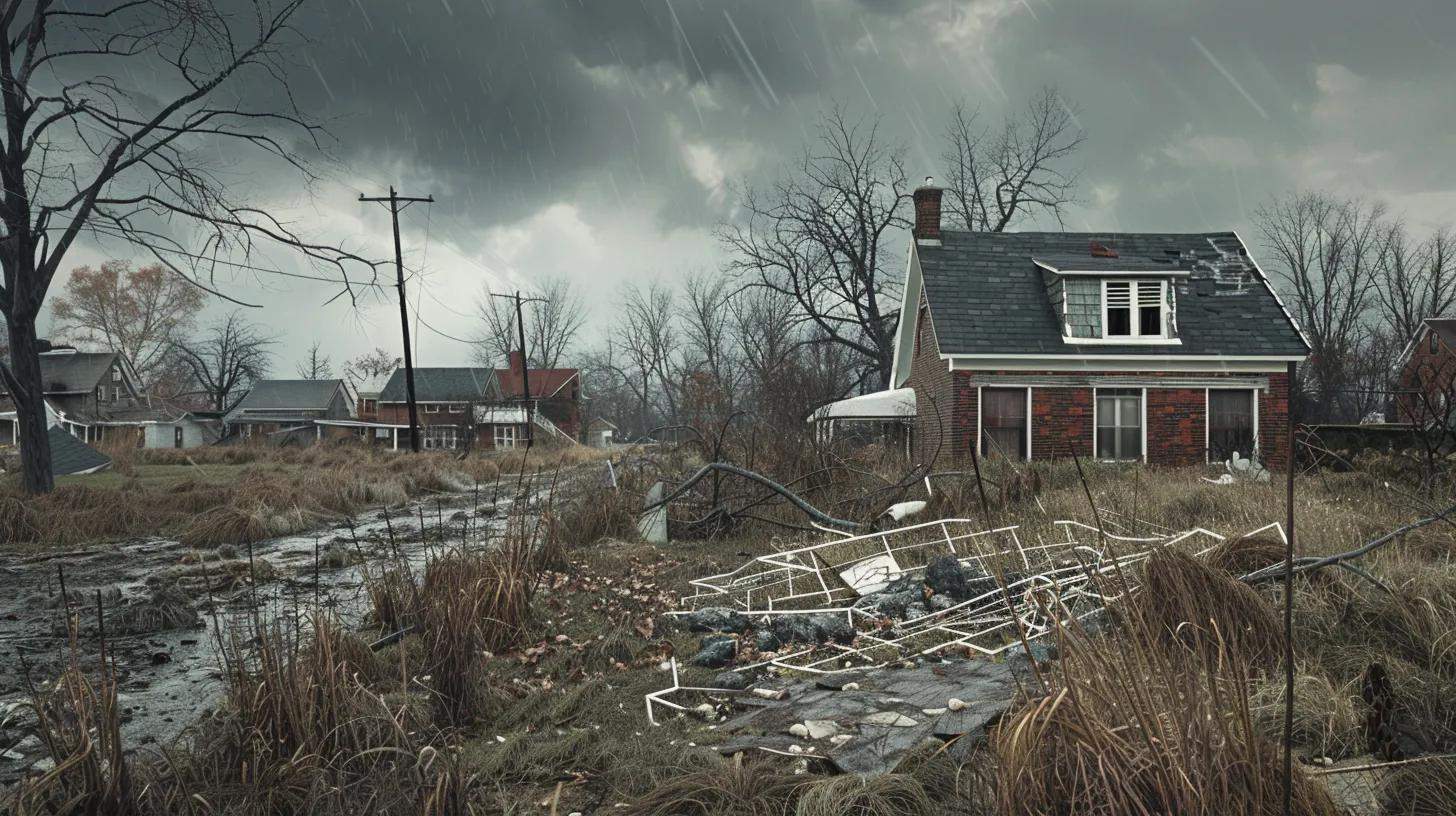
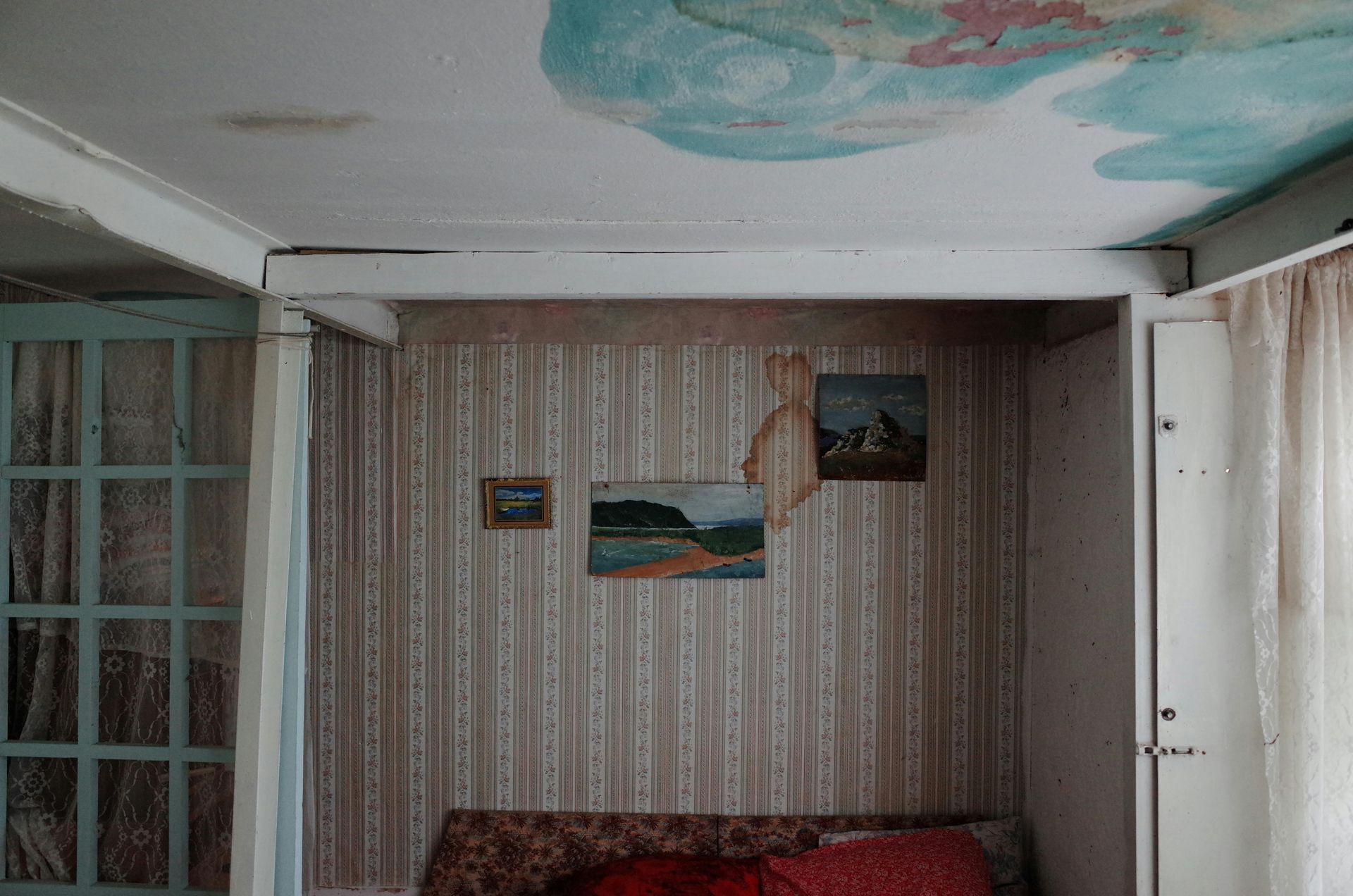
The storm cleared around 3 a.m. By morning, there were shingles in the yard, a water mark on the ceiling in the guest room, and a section of soffit hanging loose on the north side of the house. The homeowner knew something needed to happen. What they weren't sure of was what, and in what order.
That order matters more than most people realize. The decisions you make in the first 12 to 24 hours after storm damage affect the repair cost, the insurance outcome, and whether the situation stays a repair or becomes a structural project. If you're dealing with
roof repair issues right now, here are the five steps to take, in sequence.
TL;DR — Storm Hit Your Roof Last Night? 5 Steps for Emergency Roof Repair
- Don't go on the roof until it's safe. Start with a ground-level and attic assessment.
- Document everything before touching anything. Insurance claims live or die on this step.
- Temporary tarping limits water entry while you wait for a contractor.
- Notify your insurance provider the same day you find the damage.
- Get a licensed local contractor. Storm chasers follow weather events and are often gone before problems surface.
What Qualifies as a Roof Emergency
Not every storm leaves behind a same-day situation. Some damage is urgent and worth addressing within 48 hours, but it doesn't call for an immediate contractor dispatch. Knowing the difference keeps you from panicking over manageable damage while missing the signs that actually demand action today.
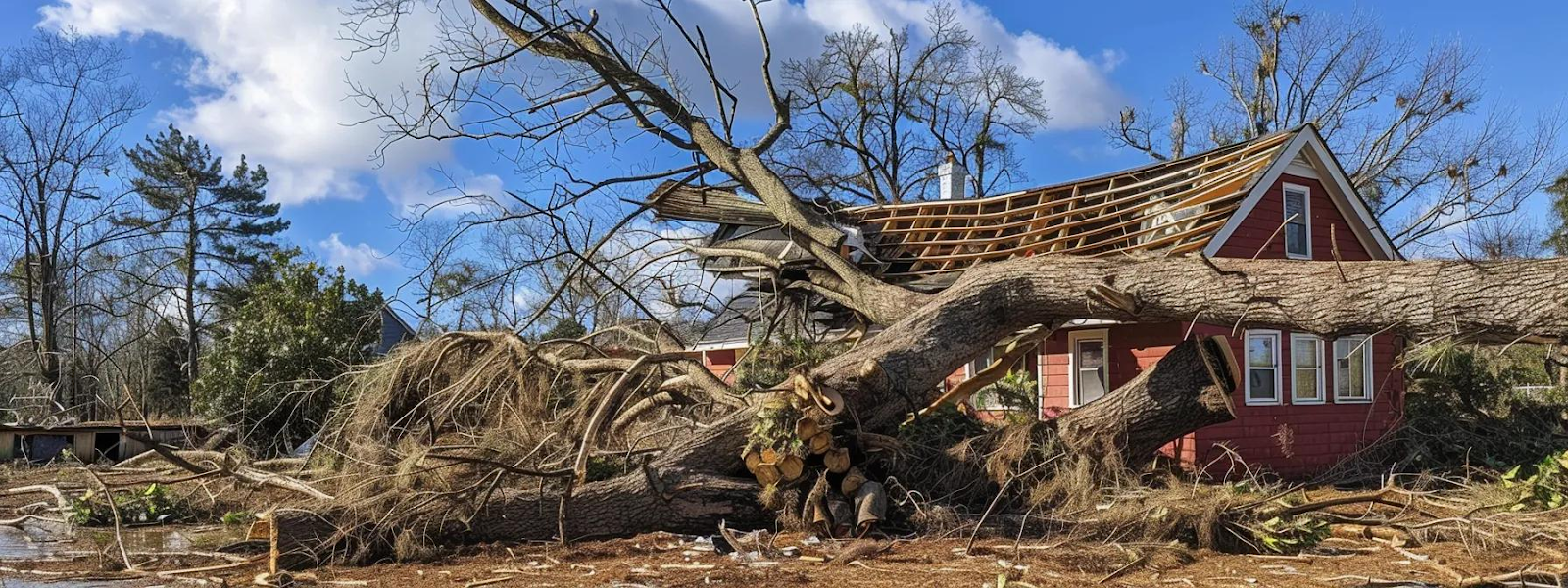
A genuine roofing emergency involves any of the following: active water intrusion inside the home, visible structural sagging or collapse, large areas of missing shingles exposing the deck directly to the elements, tree or debris impact that has punctured or displaced roof materials, or daylight visible through the attic deck. These are call-now situations.
Minor shingle lifting, granule loss in gutters, and gutters that are separated from the fascia are real damage worth addressing, but 24 to 48 hours won't turn any of those into a replacement. Treating every post-storm situation as a five-alarm emergency leads to rushed decisions and contractor pressure that rarely works in your favor.
5 Steps for Emergency Roof Repair
Step 1 — Stay Off the Roof and Assess From the Ground
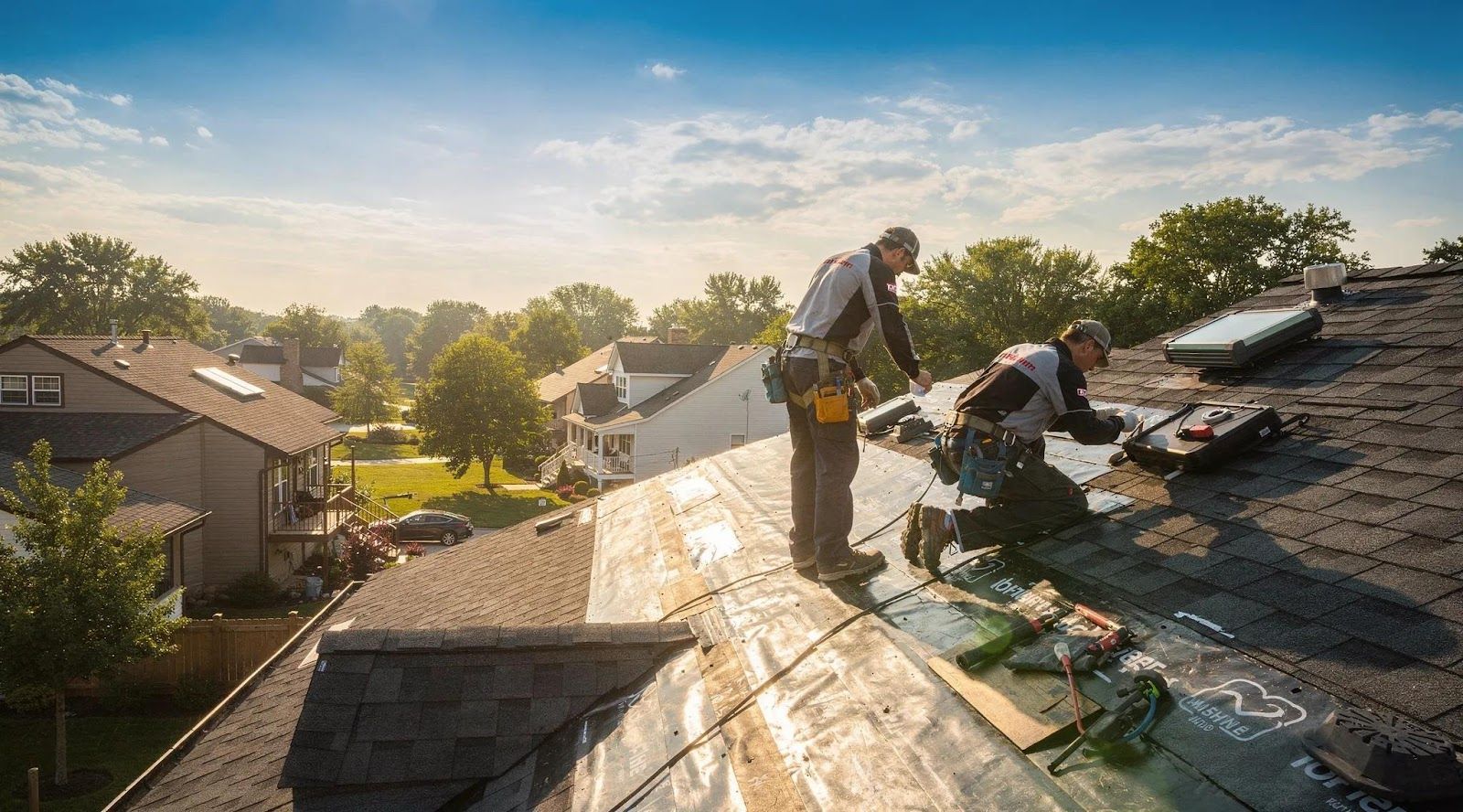
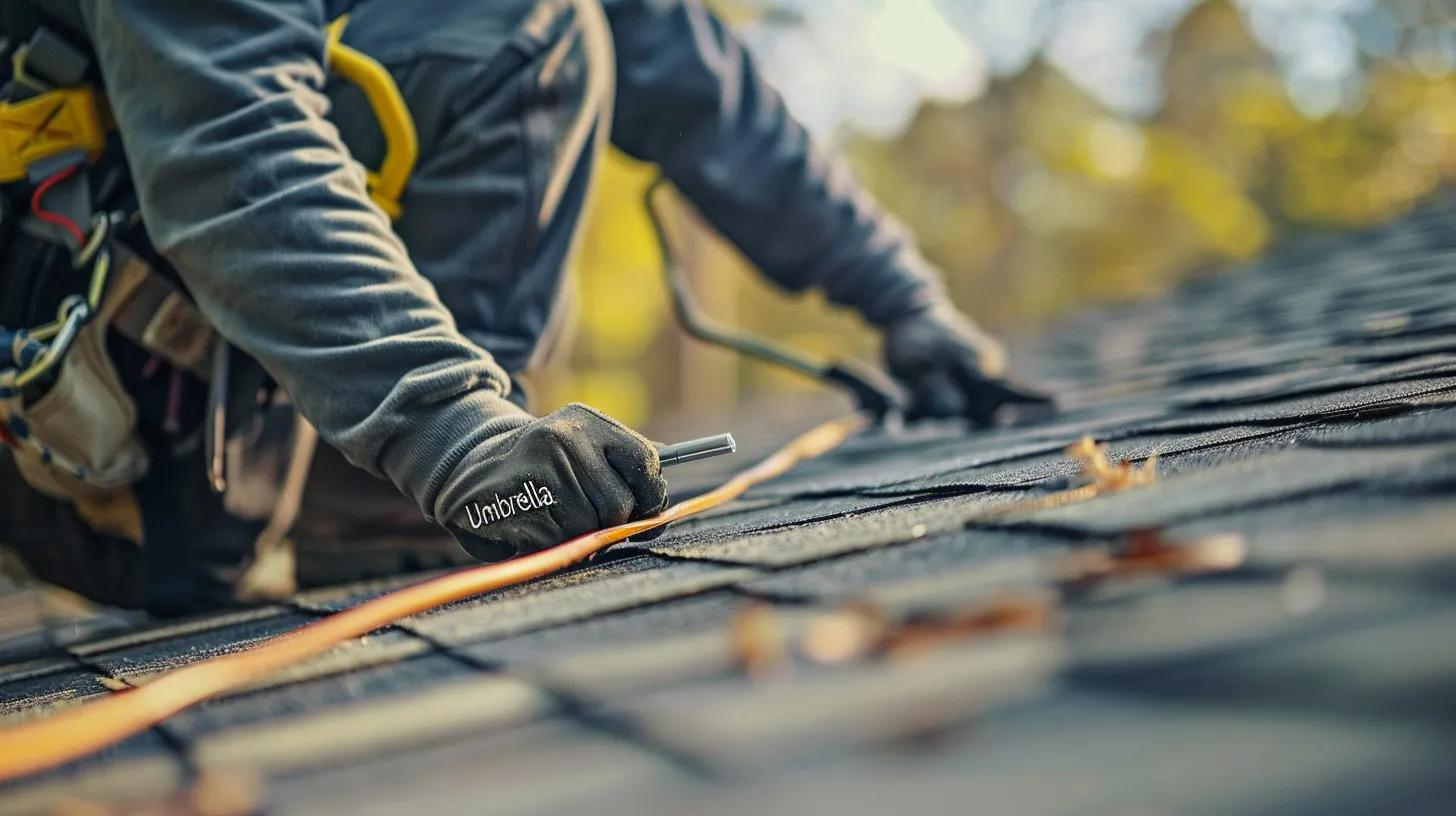
The instinct to get up there and see what happened is understandable. Resist it. A wet roof with storm debris, weakened decking, and potentially compromised structural sections is a fall risk, even for contractors with the right equipment. You don't have enough information yet to know whether the structure underneath is sound.
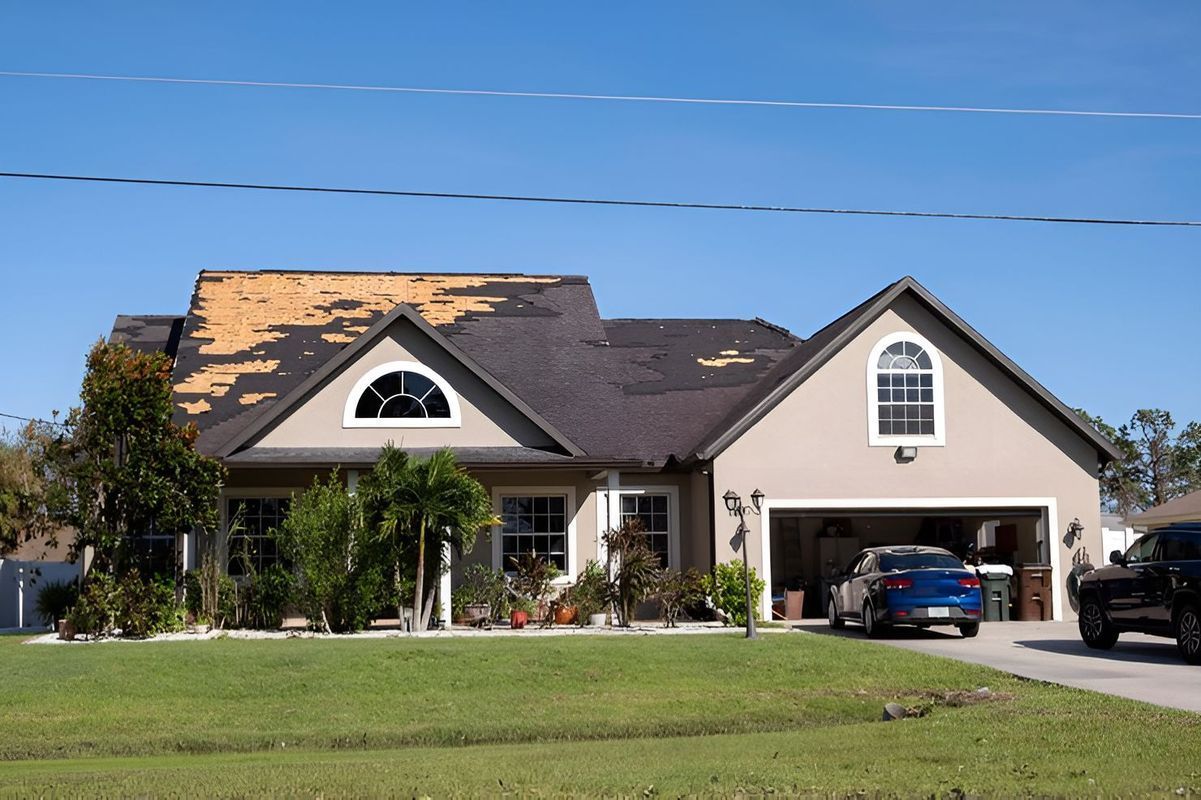
What you can see from the yard and the attic gives you most of what you need. From the ground, look for visible gaps in shingle coverage, exposed decking, displaced ridge caps, and any debris that impacted the surface. In the attic, look for daylight through the deck, wet or displaced insulation, and any active water movement.
If you're not sure what you're looking at, this
guide on how to identify storm damage on your roof walks through the visual indicators in detail, before you make any calls.
Step 2 — Document Everything Before You Touch Anything
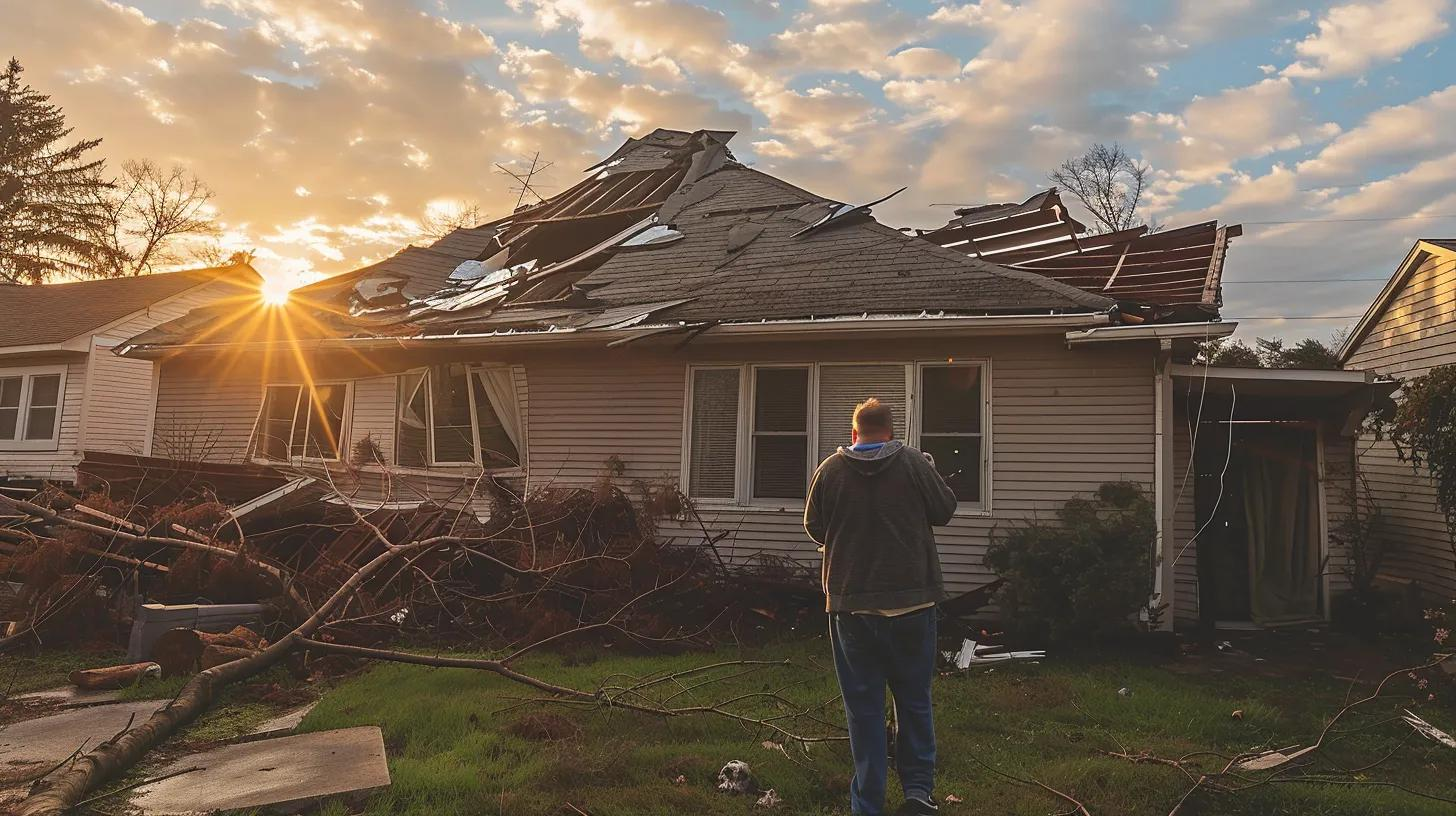
Before any cleanup, before any temporary repairs, before you move a single piece of debris: document first. Take timestamp photos and video of every area of visible exterior damage, every interior stain or water intrusion point, and any debris still on or around the property. The date and time metadata on those photos is part of what validates a claim timeline.
The evidence you create in the first hour is what adjusters work from. Morning-after photos carry far more weight than anything taken a week later, after stains have dried and debris has been moved. Take photos of damage from multiple angles and distances: close enough to show material failure, wide enough to establish location on the structure. You can never have too much documentation.
Step 3 — Apply Temporary Protection to Limit Water Entry
If there's exposed decking or a large gap in shingle coverage, temporary tarping slows water entry while you wait for a contractor. The keyword is temporary. A tarp is damage control, full stop. Treating it as anything more permanent creates problems down the line.
Use heavy-duty poly tarps (6 mil or thicker), secured at the edges with weight, battens, or rope tied to ground anchors. Do not nail through remaining shingles to hold a tarp in place. Every hole you create becomes a new entry point for water.
If the damage is widespread or anything about the structure feels compromised, skip DIY tarping entirely and wait for the contractor. A tarp placed incorrectly on weakened decking can cause secondary damage that makes the eventual repair more involved.
Step 4 — Contact Your Insurance Provider the Same Day
Most
standard homeowner policies in Georgia cover storm-related roof damage, but the claim timeline matters. Delays in reporting can be cited as failure to mitigate, which gives insurers grounds to reduce or deny coverage. Call the same day you find the damage, not when you get around to it.
When you call, have your Step 2 documentation ready along with your policy number and a clear description of what occurred and when. For Georgia-specific coverage guidance and homeowner claim rights, the
Georgia Office of Commissioner of Insurance and Safety Fire publishes resources worth reading before you're on the phone with an adjuster. One rule: do not authorize any contractor to begin permanent repairs before the adjuster completes their inspection.
Temporary protection is appropriate. Permanent work before adjuster sign-off can create claim disputes that are difficult to resolve after the fact.
Step 5 — Call a Licensed, Insured Contractor — Not a Storm Chaser
Severe weather events bring two kinds of roofing contractors into affected neighborhoods. One of them is the right call. The other follows storm activity from region to region, generates fast quotes, often works with substandard materials or unlicensed crews, and is frequently gone before any problems surface.
The distinction matters, and it isn't always obvious at first contact.
Before signing anything, verify the current state licensing and an active insurance certificate. Both should be produced on request, without hesitation. Ask for local references and check for established reviews with real response history. A legitimate
24/7 emergency roof repair service will walk you through what the inspection found and explain the scope in plain terms.
If you want a baseline before any contractor conversation, get a free roofing estimate from a licensed local company, so you have something to compare against when someone else shows up at your door with a clipboard.
How Long Does Emergency Roof Repair Take?
Triage work (tarping, securing loose sections, and stopping active leak points) can typically happen the same day or within 24 hours of a contractor arriving on-site. The full scope assessment, which includes inspecting the deck, checking flashing integrity, and evaluating any structural elements the storm may have stressed, usually follows within 24 to 48 hours of that first visit.
Actual repair timelines depend on the extent of the damage, material availability, and any permit requirements in Forsyth or Hall County for work touching structural components. What's reasonable to expect: triage the same day, a written scope within 48 hours, and active repair beginning once materials are staged and the adjuster has completed their visit.
Contractors who push you to sign before documentation is complete are worth a second look. The urgency is real, and any licensed contractor understands that. They also understand why the process matters before permanent work begins.
What Happens If You Wait
Water moves faster through a compromised roof than most homeowners expect.
Once the deck is exposed, moisture reaches the insulation within hours. From there, mold growth can begin on wet surfaces within 24 to 48 hours, and wet insulation loses its thermal properties, which affects energy costs long after the visible damage is repaired.
A homeowner who documented damage the same morning, applied temporary protection, and filed the same day ends the process in a better position than one who waited a week to do any of it.
What changes between those two outcomes is what the insurance company agreed to cover, and at what cost. If the inspection reveals something more serious than surface damage, a licensed contractor can help you decide whether to repair or replace your roof based on actual structural findings.
Don't Wait for the Second Storm to Make the Call
Three decisions made in the first 24 hours separate the homeowner with a manageable repair from the one who learned the hard way what a delayed response costs: document before cleanup, notify insurance the same day, and get a licensed contractor on-site before the next weather system moves through. The storm damage is the same either way. The outcome depends on what happened in the hours after it stopped raining.
Whether you're in Sugar Hill or a neighboring North Georgia community, if your roof took a hit last night and you're figuring out next steps, reach out to Umbrella Roofing for an emergency roof inspection. We’ll give you an honest assessment and a clear scope.